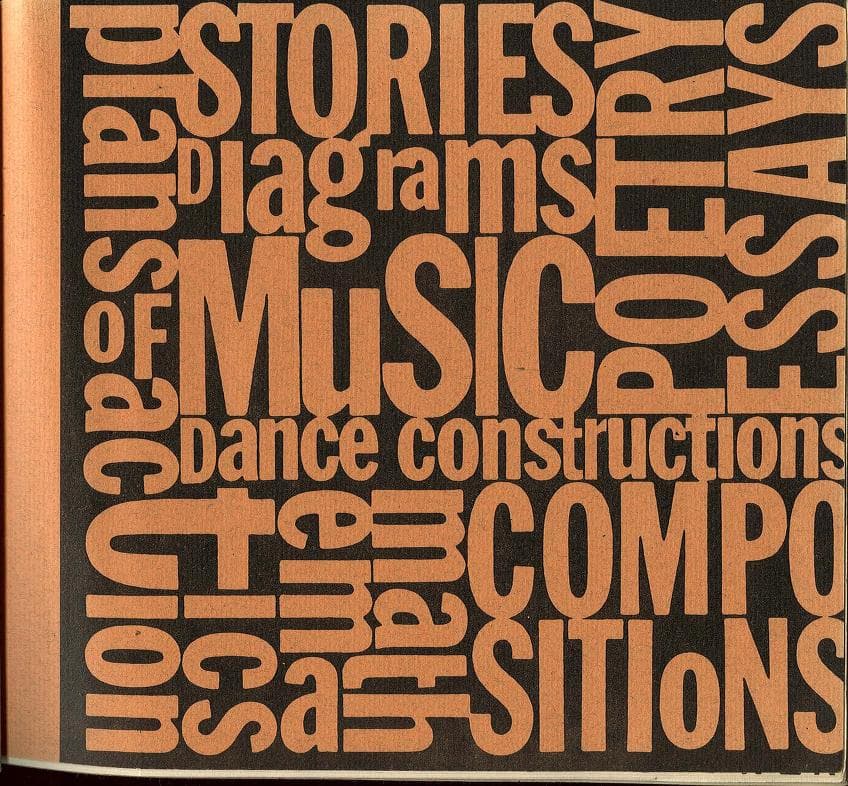
Writings about Music is a 1974 collection of essays by the composer Steve Reich (Press of Nova Scotia College of Art and Design and New York University Press), including lists of his compositions and recordings.
Einstein on the Beach is an opera by Robert Wilson and Philip Glass, first staged in 1976, with choreography by Lucinda Childs; this Internet Archive item collects a recording of the 2012 production together with interviews, documentaries and backstage material.
Four Musical Minimalists: La Monte Young, Terry Riley, Steve Reich, Philip Glass is a 2000 book (Cambridge University Press) by the British musicologist Keith Potter, a detailed study of the early music of the four American minimalist composers.
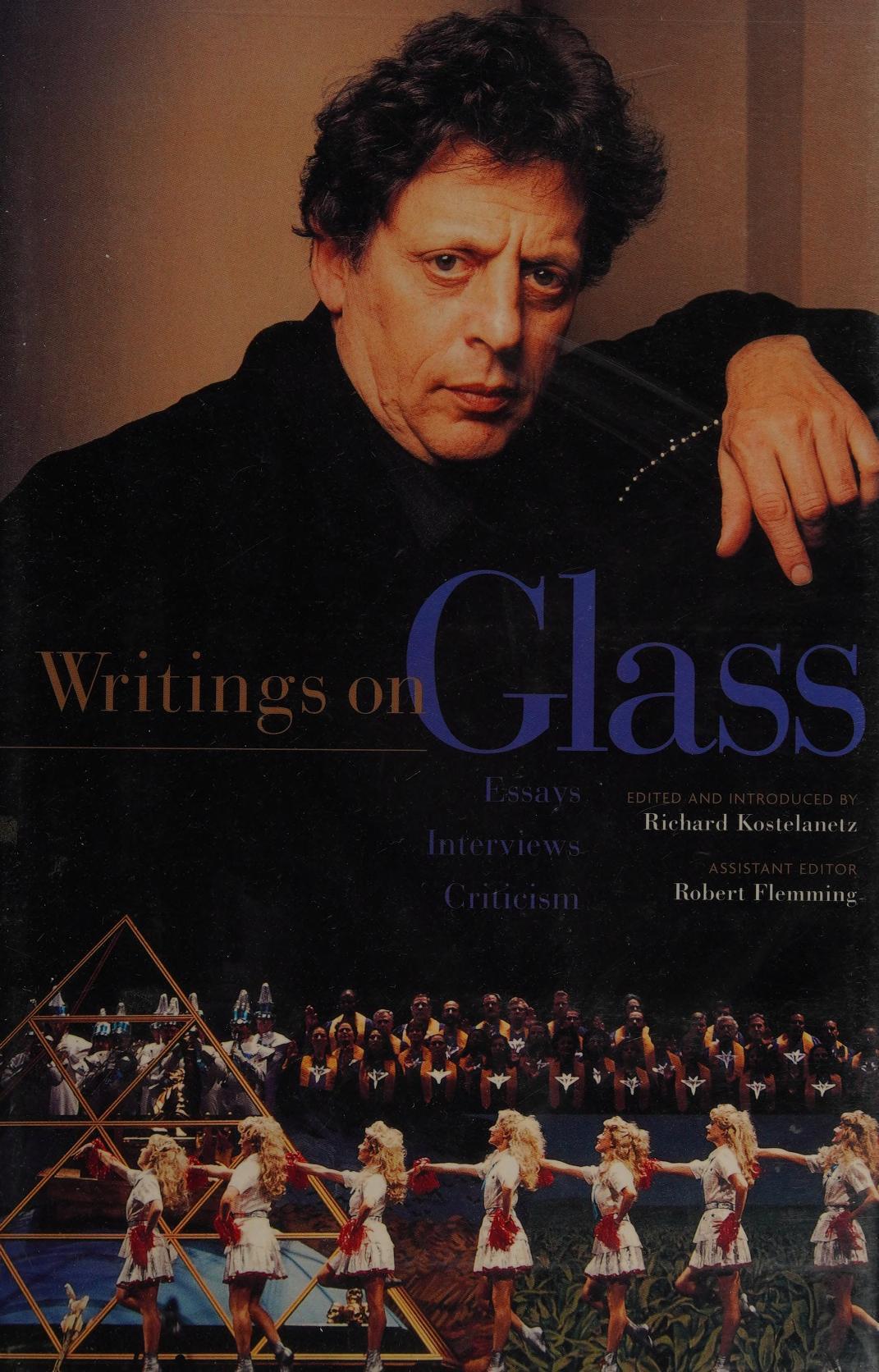
Writings on Glass: Essays, Interviews, Criticism is a 1997 collection edited by Richard Kostelanetz and published by Schirmer Books, which traces the development of Philip Glass's work through interviews and critical writing by musicologists, with a list of works and a discography.
Minimalism: Origins is a book by Edward Strickland, published by Indiana University Press in a corrected paperback edition in 2000 after the 1993 hardback, that traces minimalism in post-war American culture across painting, sound and space.
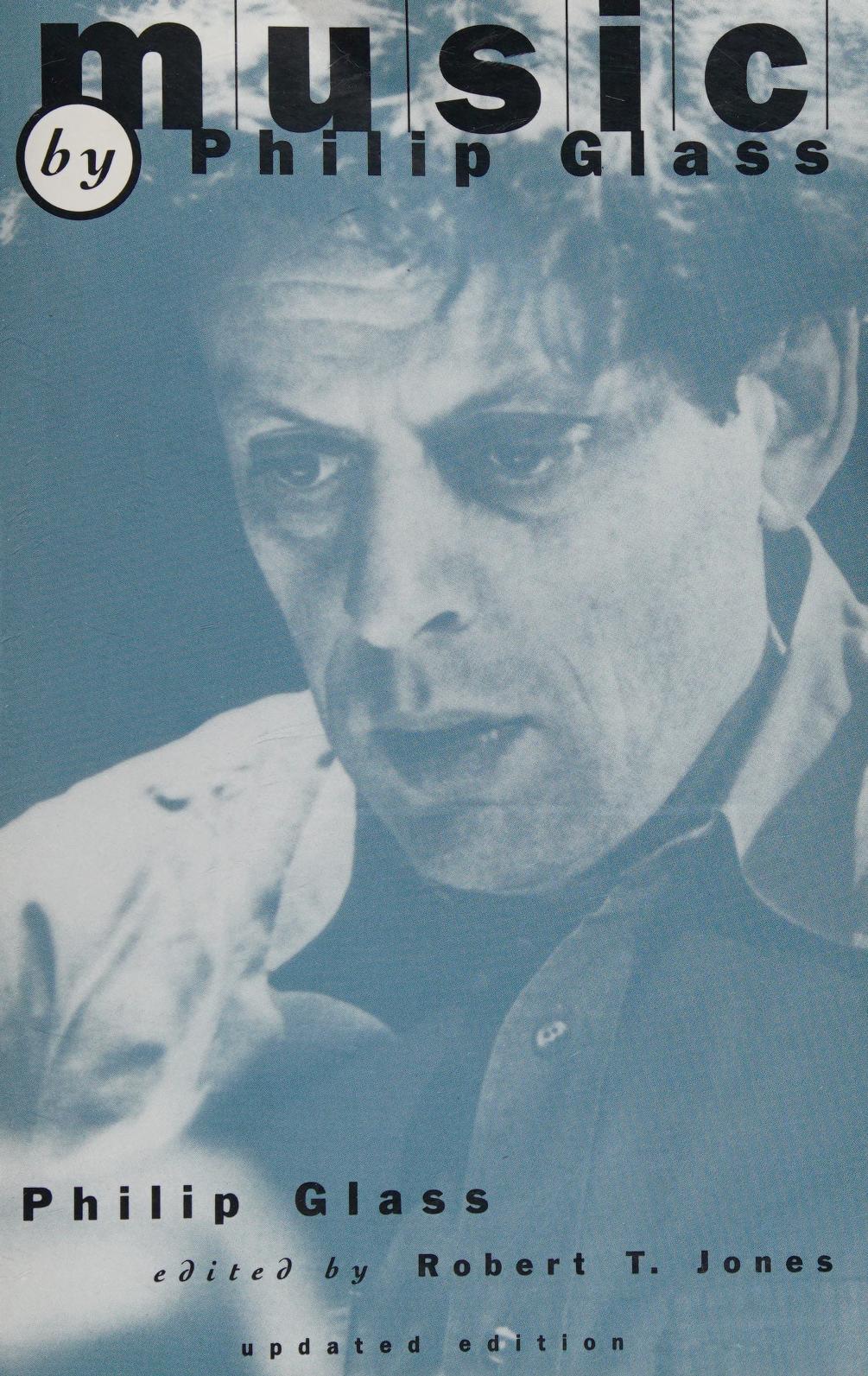
Music by Philip Glass is the composer's own account of his life and work, first published by Harper & Row in 1987 and shown here in the 1995 Da Capo edition, including the librettos of Einstein on the Beach, Satyagraha and Akhnaten.
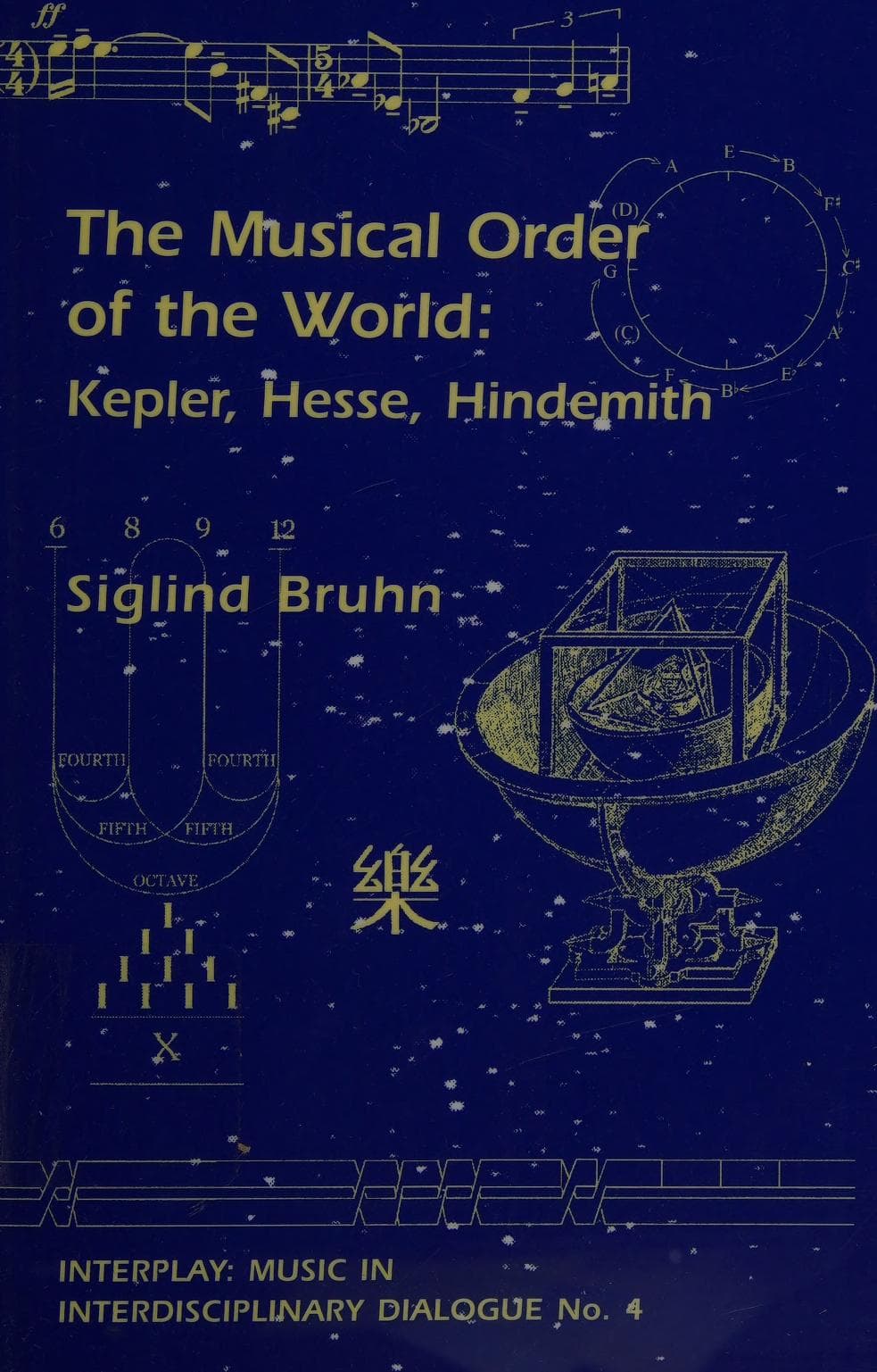
The Musical Order of the World: Kepler, Hesse, Hindemith is a 2005 book by the musicologist Siglind Bruhn, published by Pendragon Press, about the idea of a cosmic harmony in Johannes Kepler's Harmonices mundi, Hermann Hesse's The Glass Bead Game and Paul Hindemith's opera Die Harmonie der Welt.
Nada Brahma: The World Is Sound is a book by the German music journalist Joachim-Ernst Berendt, first published in German in 1983, which follows the Indian idea of nada brahma — "the world is sound" — through music, physics, myth and spiritual traditions, and presents listening as a way of knowing reality.
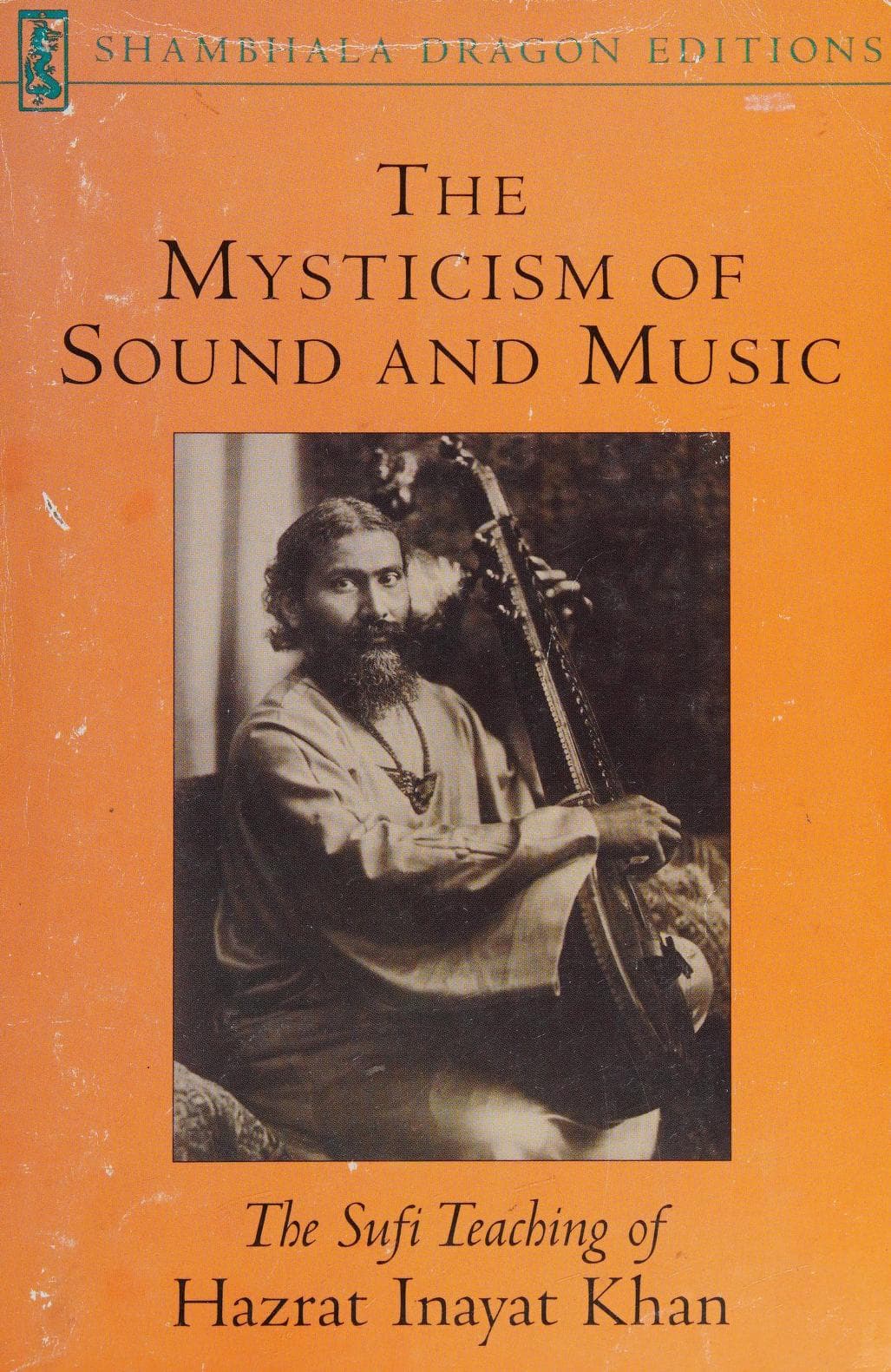
The Mysticism of Sound and Music is a collection of teachings by the Indian Sufi musician and teacher Hazrat Inayat Khan (1882–1927), compiled from his lectures and published in this edition by Shambhala in 1996, on sound and vibration as the substance of creation and music as a path toward the divine.
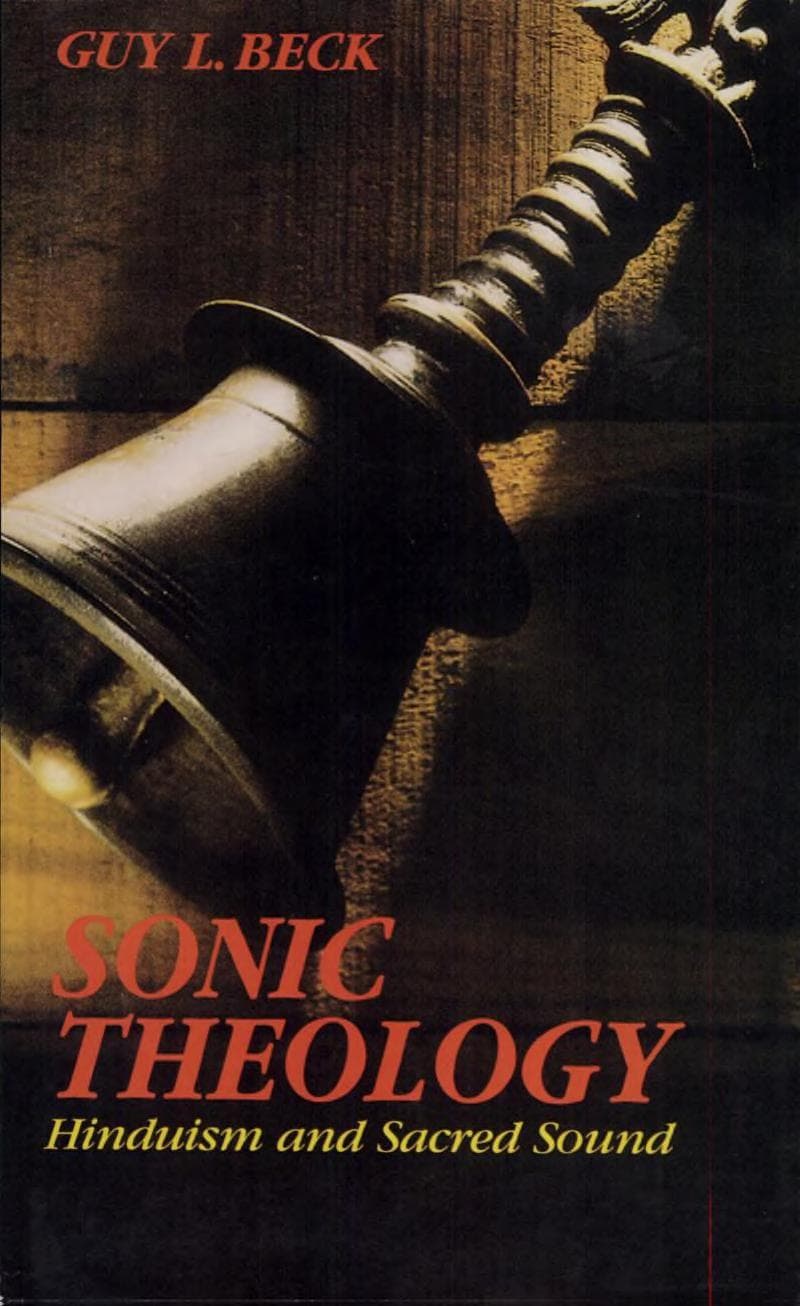
Sonic Theology: Hinduism and Sacred Sound is a 1993 book by the American scholar of religion and musician Guy L. Beck, which traces the role of sacred sound in Hindu thought and practice, from Vedic mantra and the syllable Om to devotional song.
A photograph of the Chit Sabha, the inner sanctum of the Nataraja temple in Chidambaram, Tamil Nadu: a wooden hall with a gilded roof where Shiva is worshipped both as Nataraja, the cosmic dancer, and as formless space.
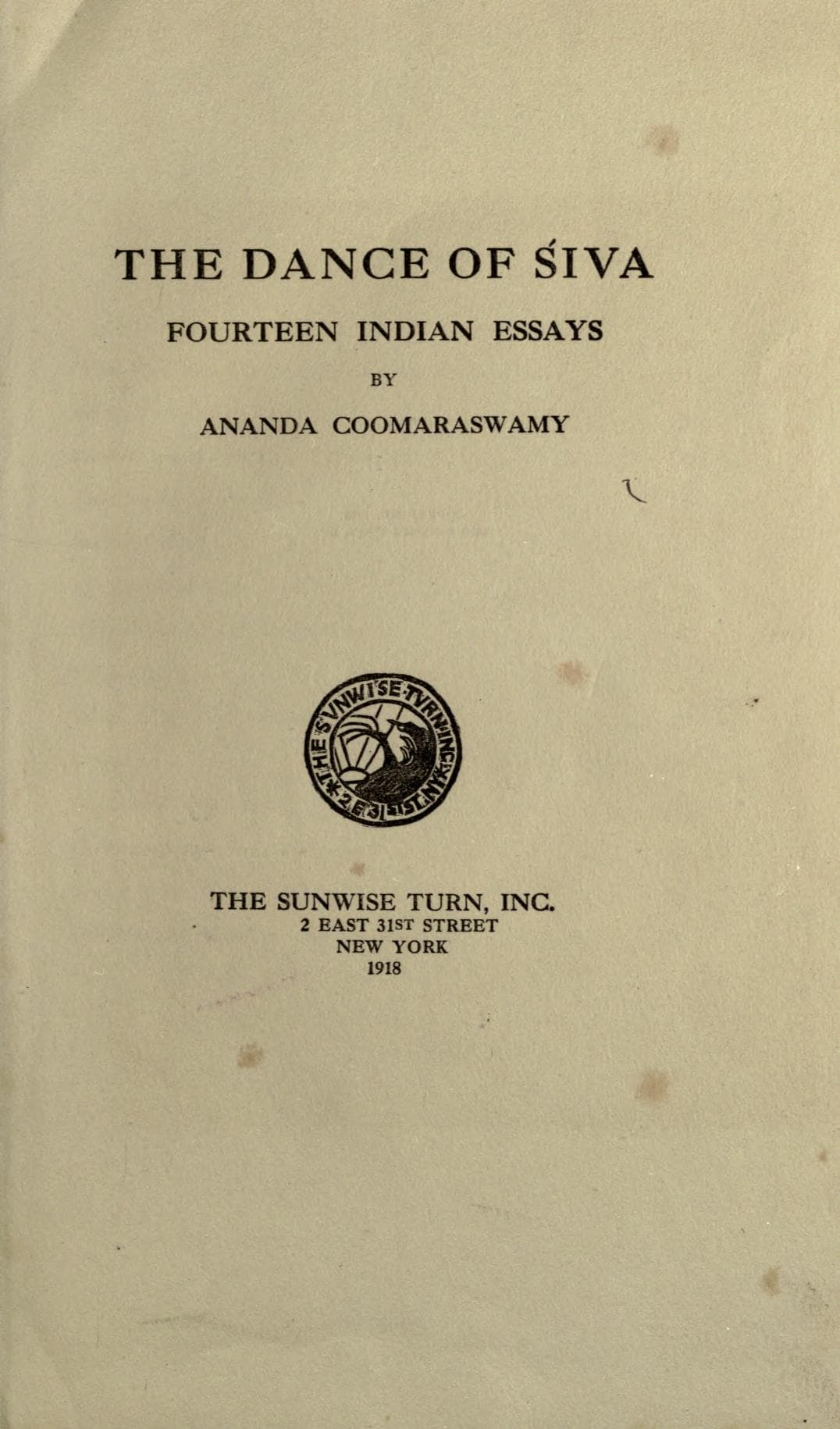
The Dance of Siva: Fourteen Indian Essays is a 1918 book by the Ceylonese-born art historian and philosopher Ananda Coomaraswamy, published in New York, which introduces Indian art, religion and thought to Western readers and includes his essay on the image of Shiva as Nataraja.
Philip Glass & Lucinda Childs: Collaboration & Invention is a conversation moderated by Jock Reynolds, recorded for Arts & Ideas, in which the composer and the choreographer revisit their work on Dance, the 1979 piece they made with the artist Sol LeWitt.
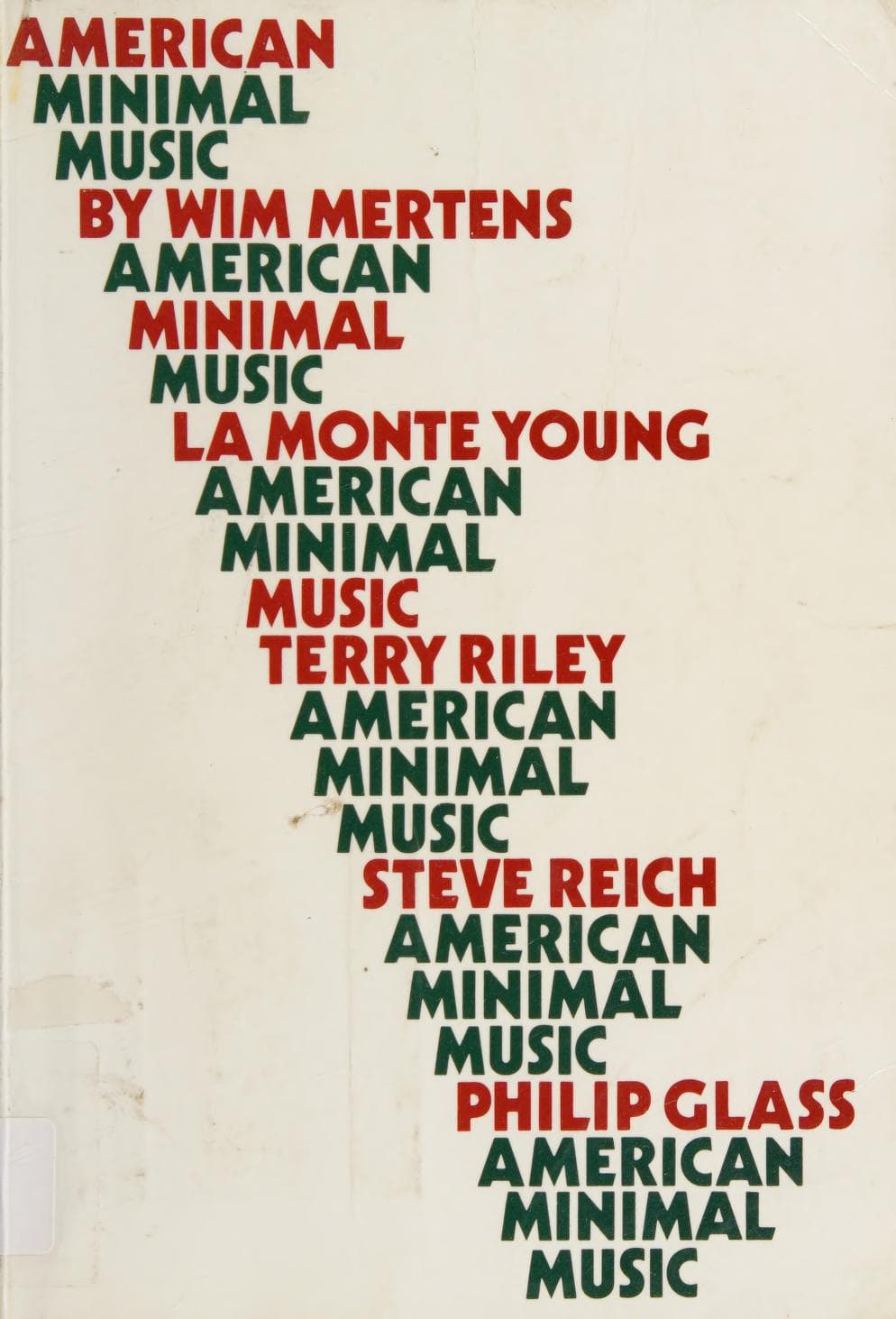
American Minimal Music is a 1983 book (Kahn & Averill) by the Belgian composer and musicologist Wim Mertens on La Monte Young, Terry Riley, Steve Reich and Philip Glass, with an ideological and historical background to minimal music.
A 2004 TED talk by the mathematician Steven Strogatz on synchrony: how flocks of birds, fireflies and fish — and even inanimate objects — fall into step without anyone leading.
An Anthology of Chance Operations is a 1963 collection of scores, poems, essays and instruction pieces edited by the American composer La Monte Young, a founding document of the circle that became Fluxus.
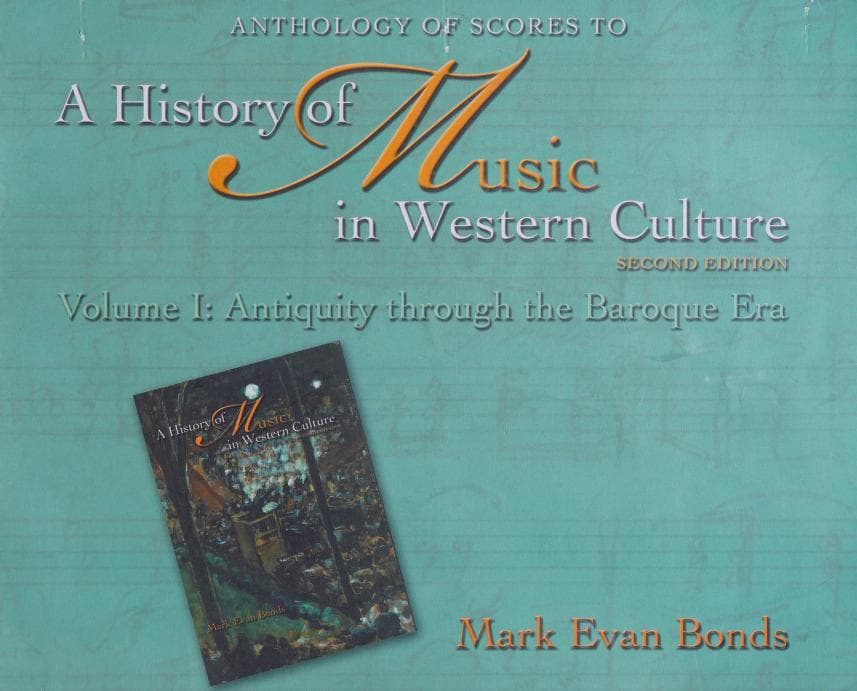
Anthology of Scores to A History of Music in Western Culture is a two-volume collection of scores published by Pearson Prentice Hall in 2006 to accompany the second edition of Mark Evan Bonds's survey, running from antiquity to the twentieth century.
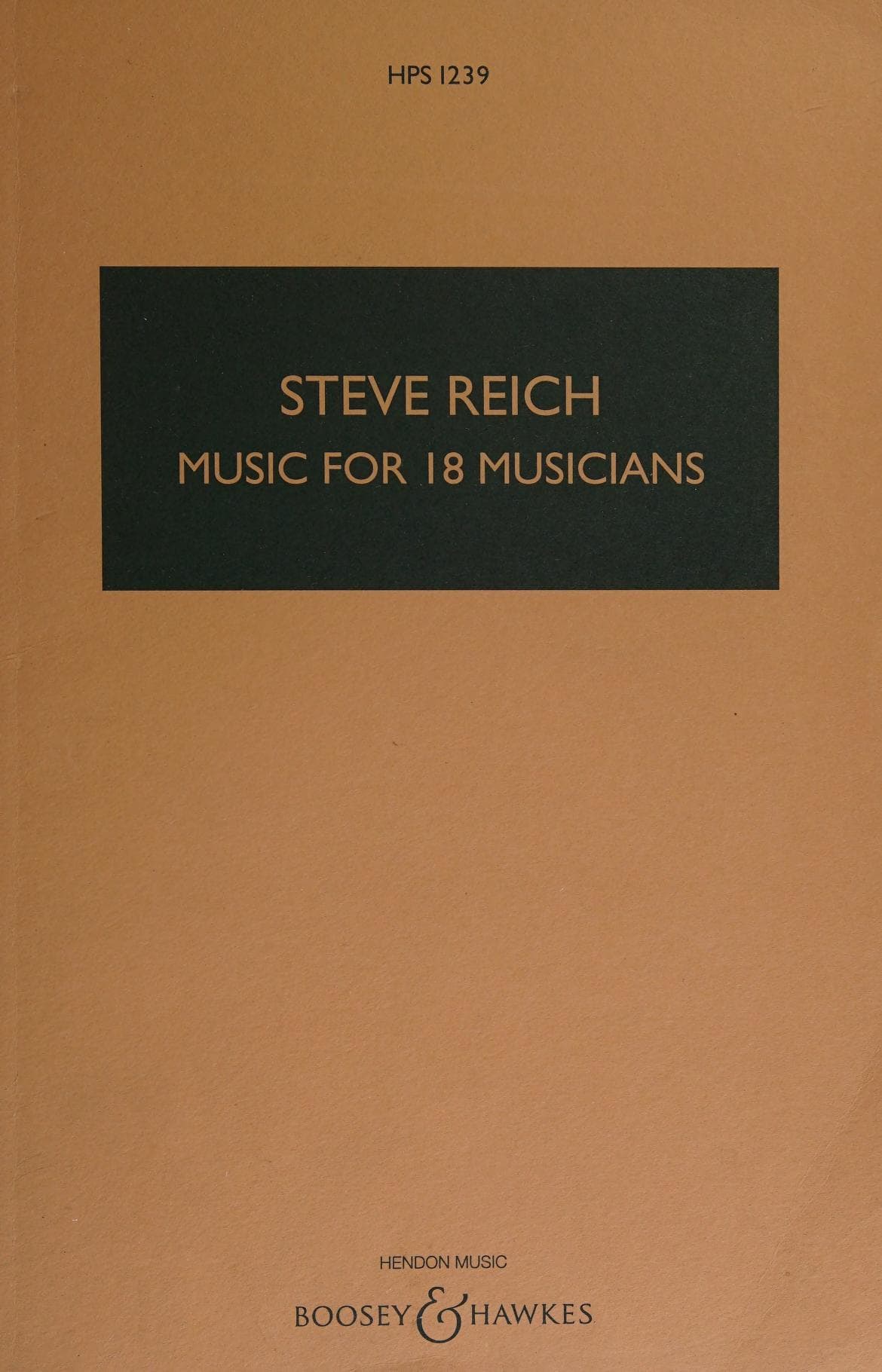
Music for 18 Musicians is a work for ensemble by the American composer Steve Reich, composed between 1974 and 1976 and shown here in its published score from Boosey & Hawkes.

The world is sound