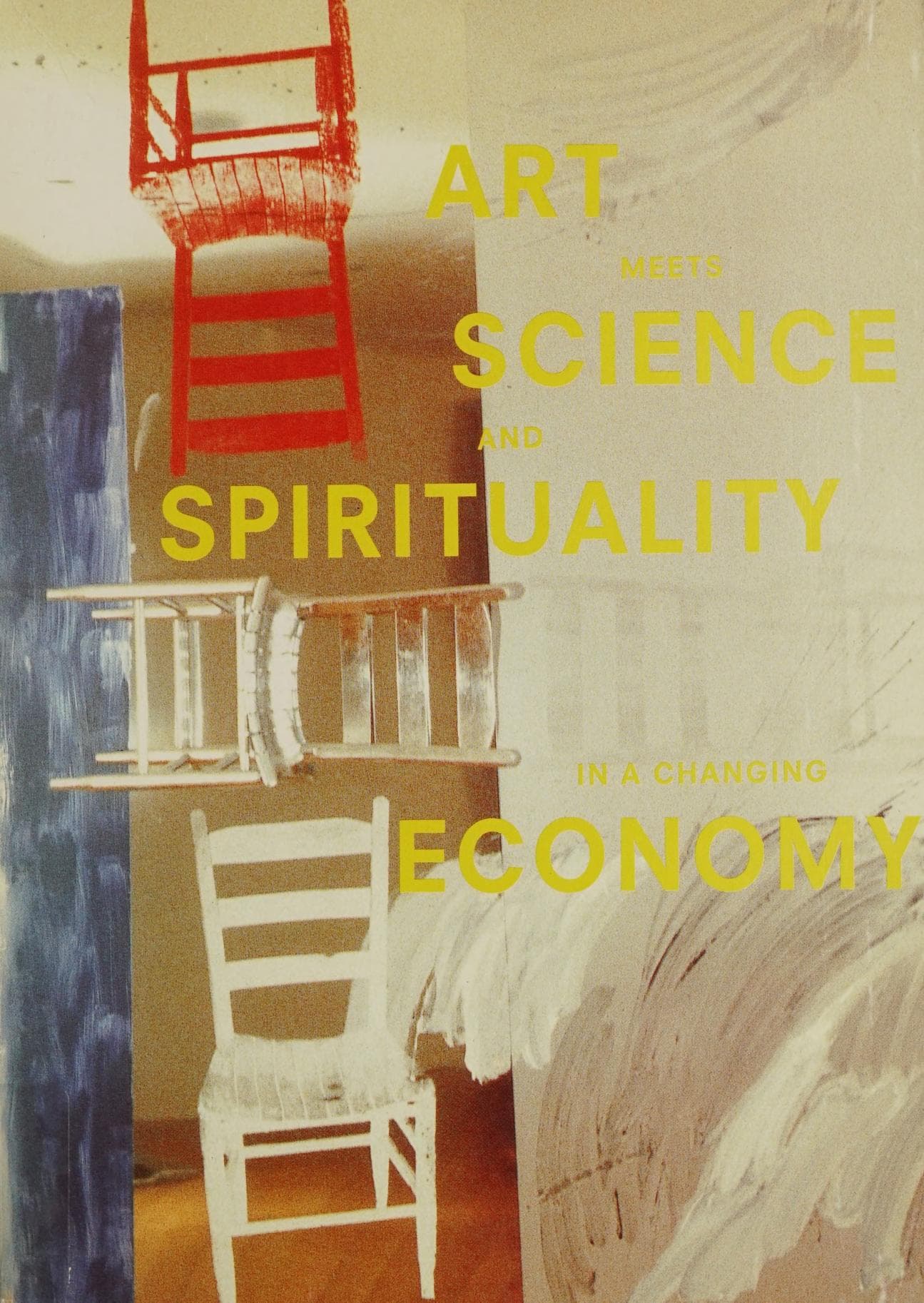
Art Meets Science and Spirituality in a Changing Economy is a 1990 book by the British art historian Caroline Tisdall, with contributions by Louwrien Wijers and Ike Kamphof, published by SDU in The Hague as the record of the Amsterdam initiative of the same name — meetings, interviews and an exhibition bringing artists, scientists, spiritual leaders and economists into conversation.
Joseph Beuys is a 1979 book by the British art historian and critic Caroline Tisdall, published by the Solomon R. Guggenheim Museum in New York as the catalogue for its Beuys retrospective, documenting the German artist's actions, objects, drawings and installations from the 1940s to the 1970s, with commentary developed together with Beuys.
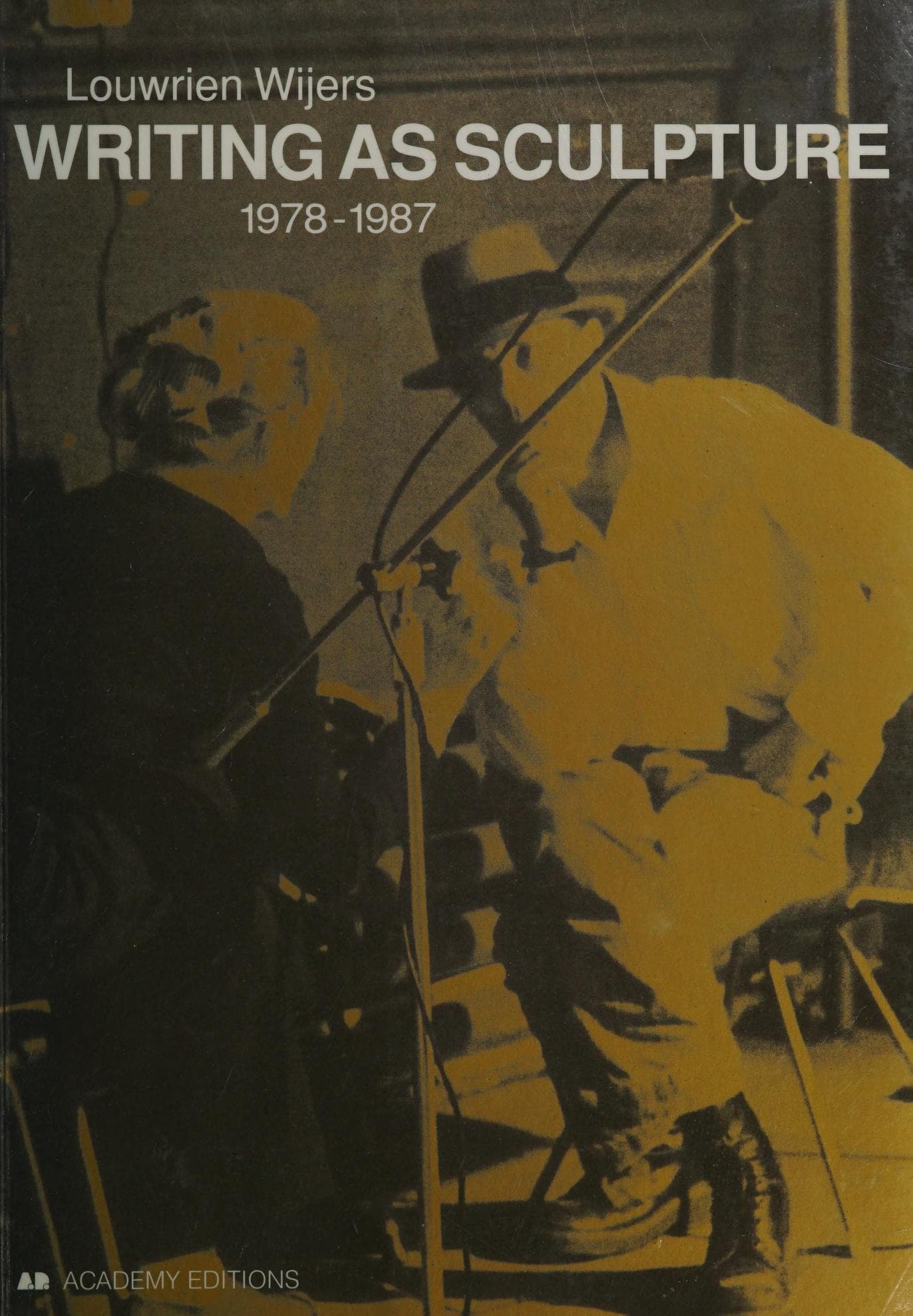
Writing as Sculpture, 1978–1987 is a book by the Dutch artist and writer Louwrien Wijers, published by Academy Editions in 1996, collecting her interviews with, among others, Joseph Beuys, Andy Warhol, the Dalai Lama, David Bohm, Nam June Paik, Robert Filliou, Fritjof Capra, Rupert Sheldrake and Francisco Varela on the meeting points of art, science, spirituality and economics.
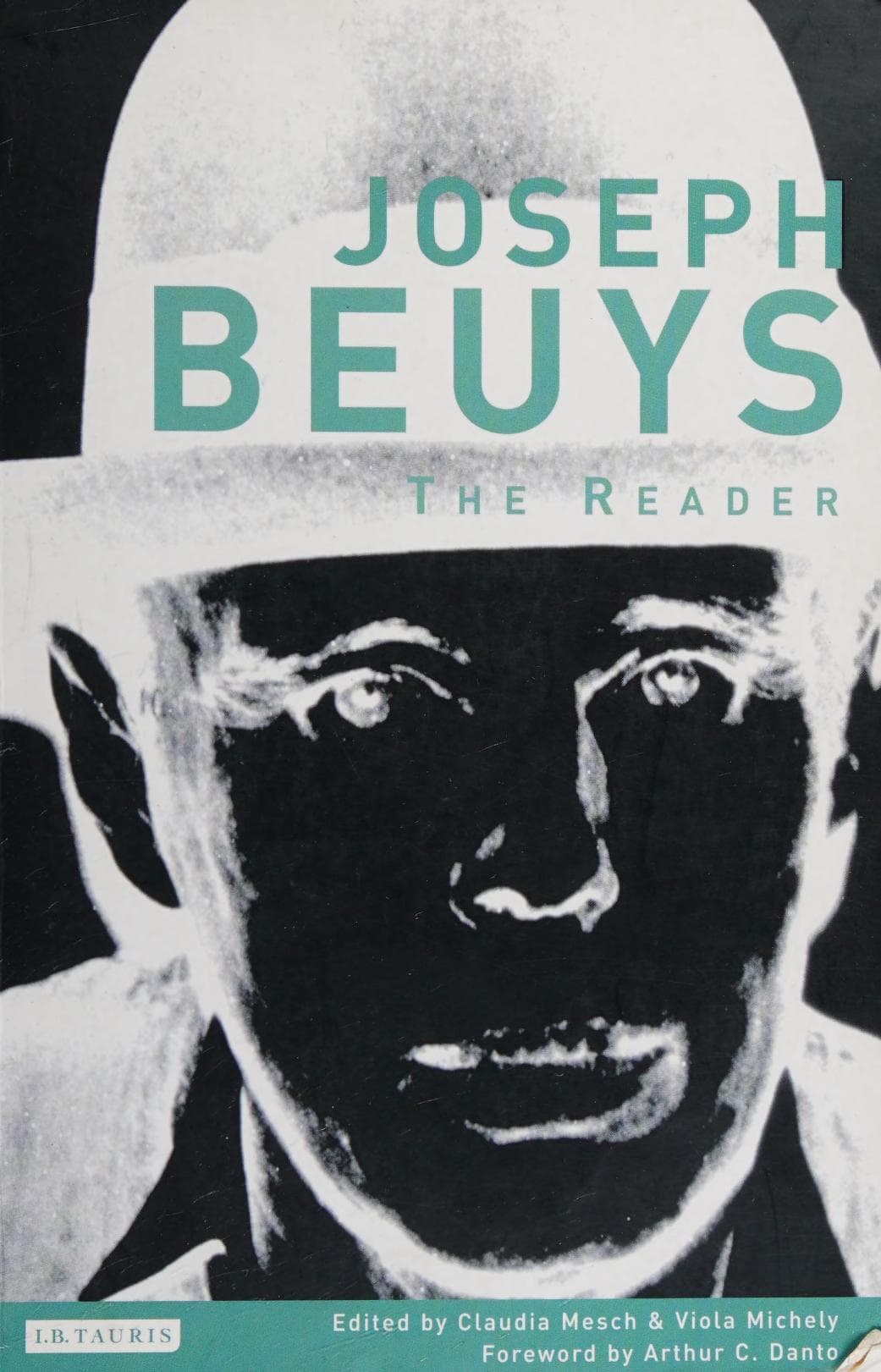
Joseph Beuys: The Reader is a 2007 anthology (MIT Press), edited by Claudia Mesch and Viola Michely, of critical essays on Beuys, including texts on his relation to Marcel Duchamp, Hans Haacke and Marcel Broodthaers.
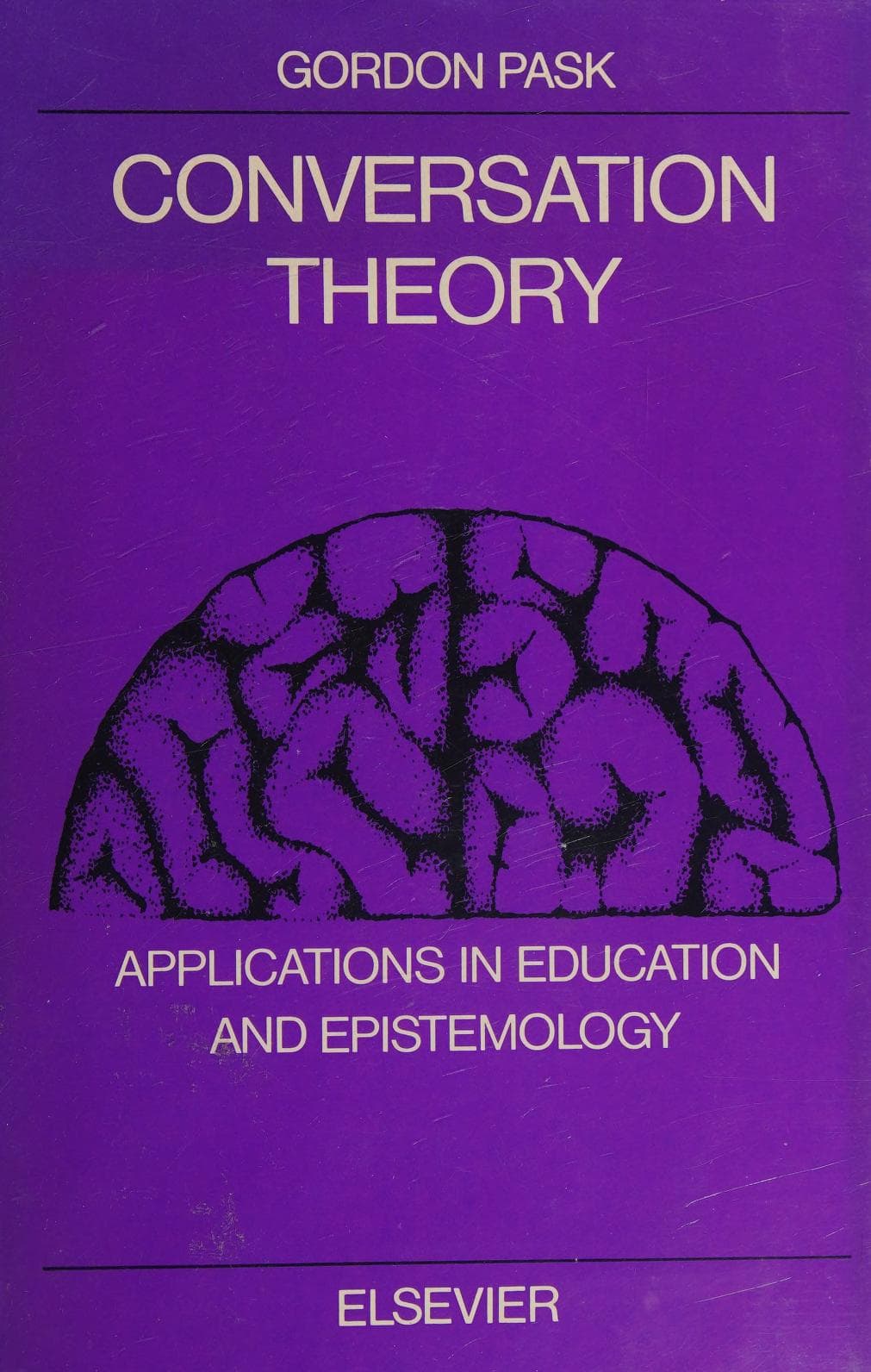
Conversation Theory: Applications in Education and Epistemology is a 1976 book (Elsevier) by the British cybernetician Gordon Pask, which describes learning and knowing as conversations between participants who come to share concepts.
Soziale Plastik (Social Sculpture) is a 1969 film by the German filmmaker Lutz Mommartz in which Joseph Beuys stands before the camera and exposes himself to an anonymous audience.
A close-up of the Italian filmmaker and poet Pier Paolo Pasolini in a worn felt hat, from his film The Decameron (1971), in which he also played a pupil of Giotto.

Felt