The Aesthetic Experience According to Abhinavagupta is a study by the Italian Indologist Raniero Gnoli, first published in 1956, with a translation of Abhinavagupta's commentary on the passage on rasa in Bharata's Natyashastra.
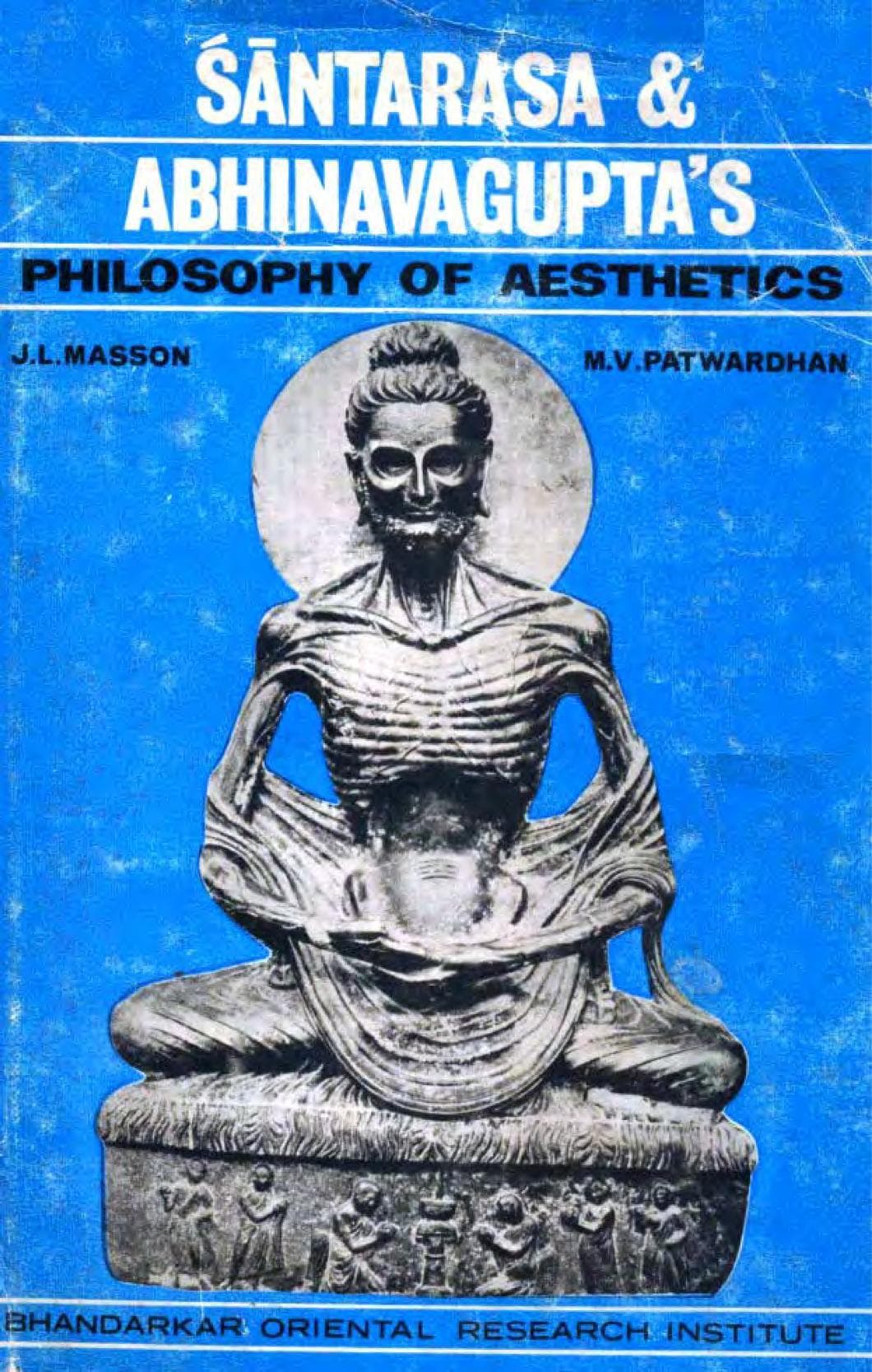
Śāntarasa and Abhinavagupta's Philosophy of Aesthetics is a 1969 study by J. L. Masson and M. V. Patwardhan, published as no. 9 of the Bhandarkar Oriental Series in Poona, on śāntarasa, the rasa of peace, in the aesthetics of Abhinavagupta.
The Mirror of Gesture is the 1917 English translation, by Ananda Coomaraswamy and Gopala Kristnayya Duggirala and published by Harvard University Press, of the Abhinaya Darpana of Nandikeśvara, a Sanskrit treatise on the gestures of Indian dance and drama.
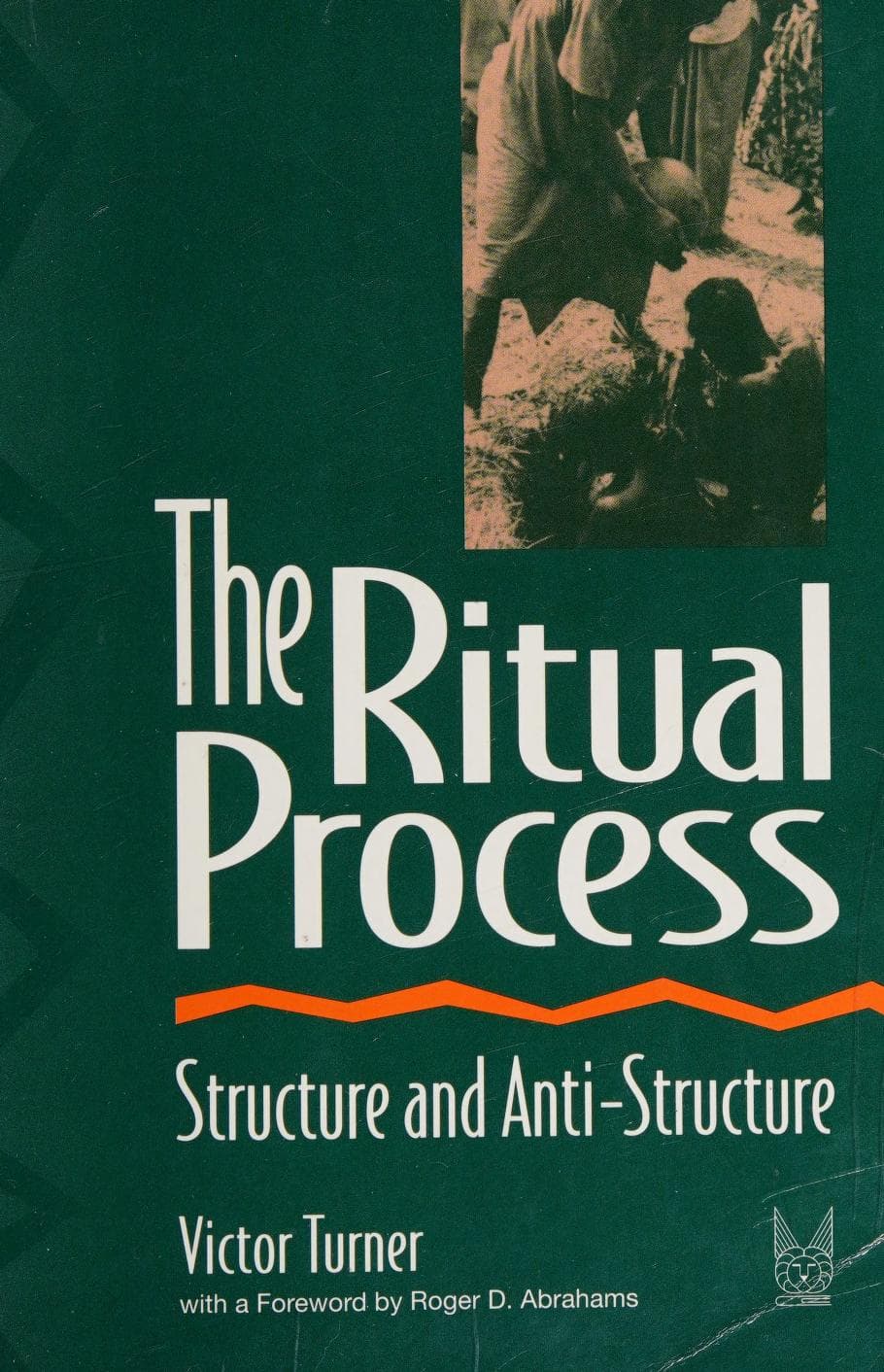
The Ritual Process: Structure and Anti-Structure is a book by the anthropologist Victor Turner, first published in 1969 (this is a 1995 edition), on the rites of the Ndembu of Zambia, the liminal phase of rituals and communitas.
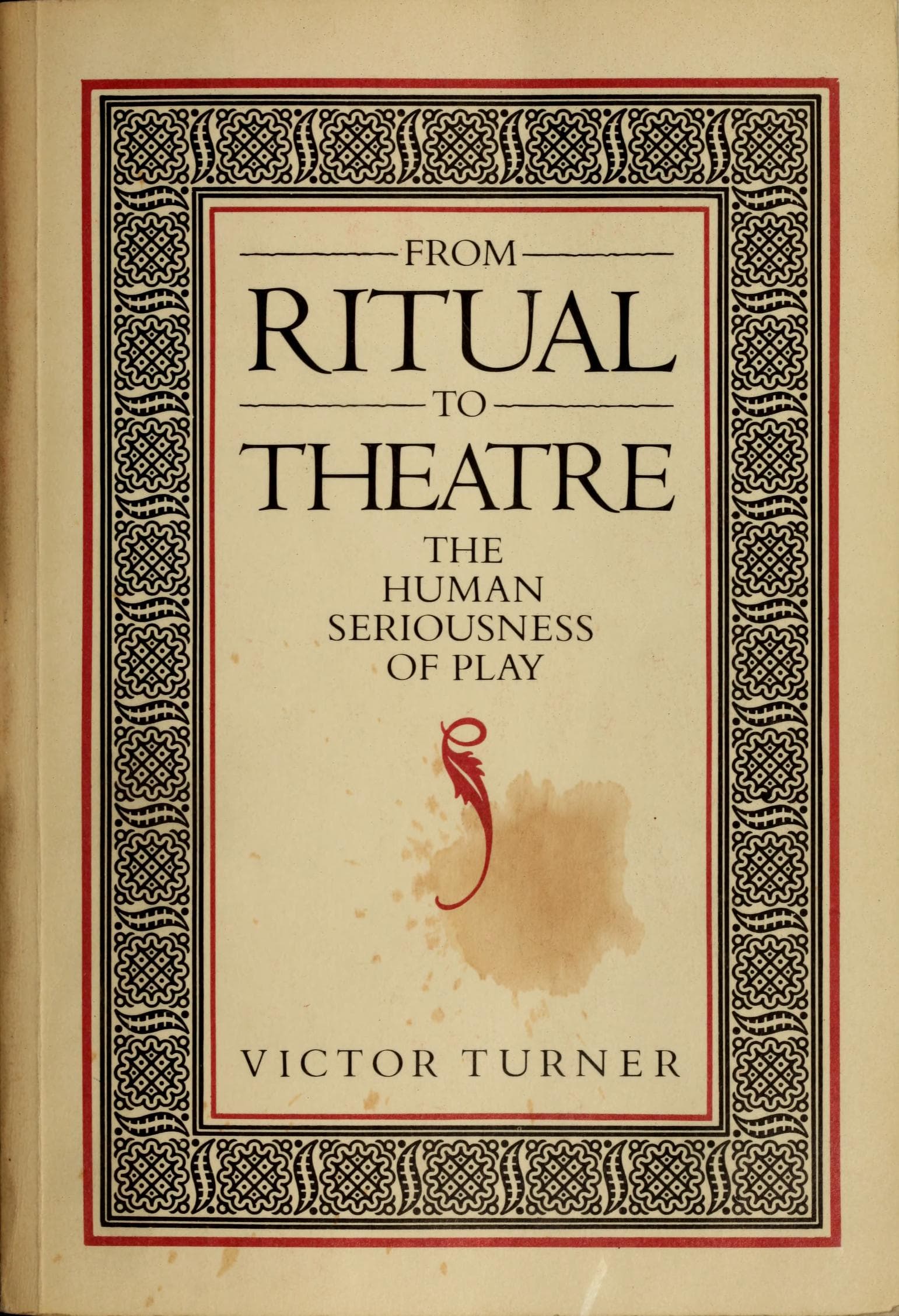
From Ritual to Theatre: The Human Seriousness of Play is a 1982 book by the anthropologist Victor Turner, published by PAJ Publications, with essays on the liminal and the liminoid, play and flow, social drama, and the passage from ritual to theatre.
The Anthropology of Performance is a 1988 collection of essays by Victor Turner, published after his death with an introduction by Richard Schechner, on ritual, drama, carnival and spectacle, from Brazilian Umbanda and the Carnaval in Rio to performing ethnography.
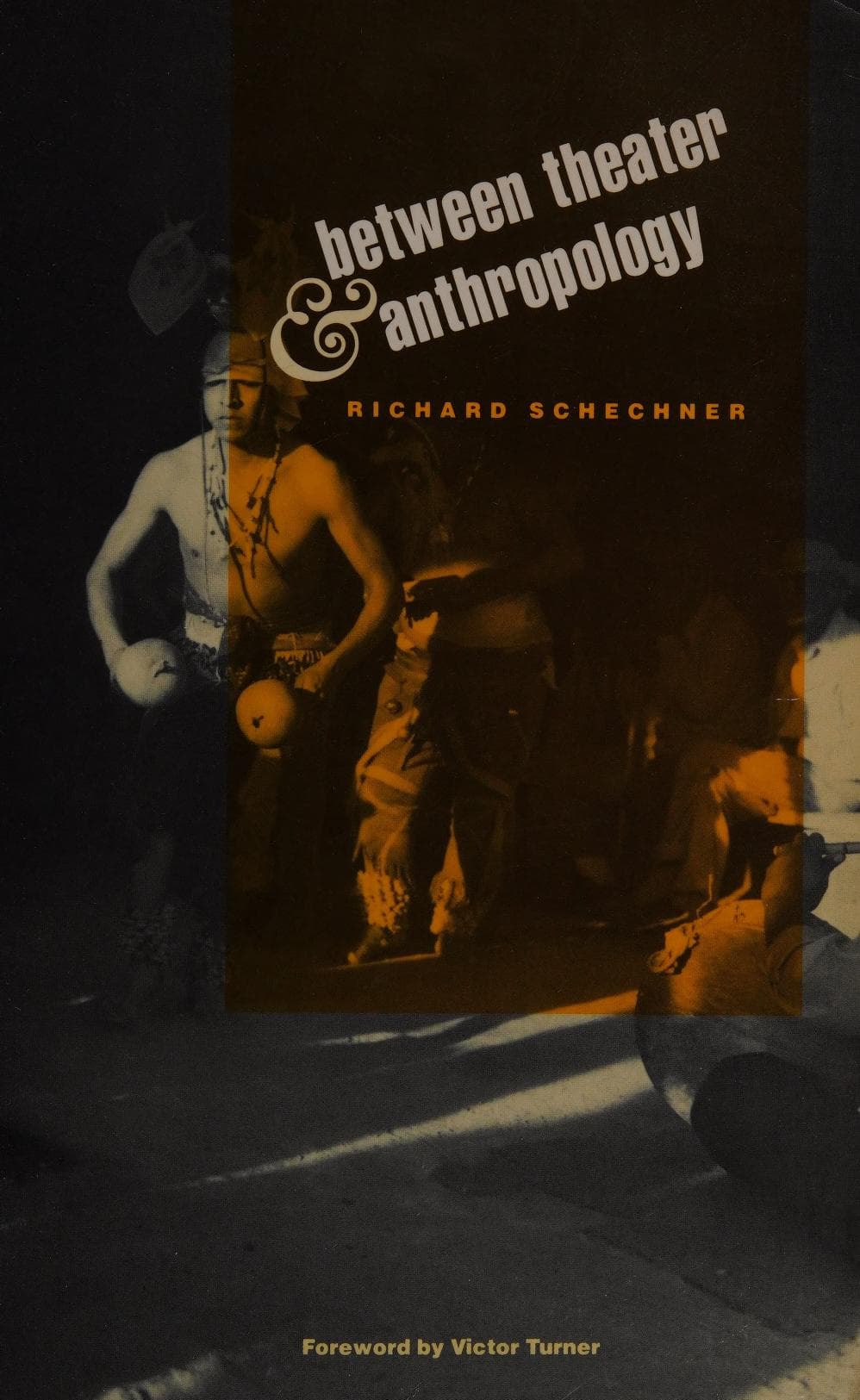
Between Theater and Anthropology is a 1985 book by the theatre director and scholar Richard Schechner, published by the University of Pennsylvania Press, which widens the idea of performance beyond Euro-American drama to ritual, play and other live events.
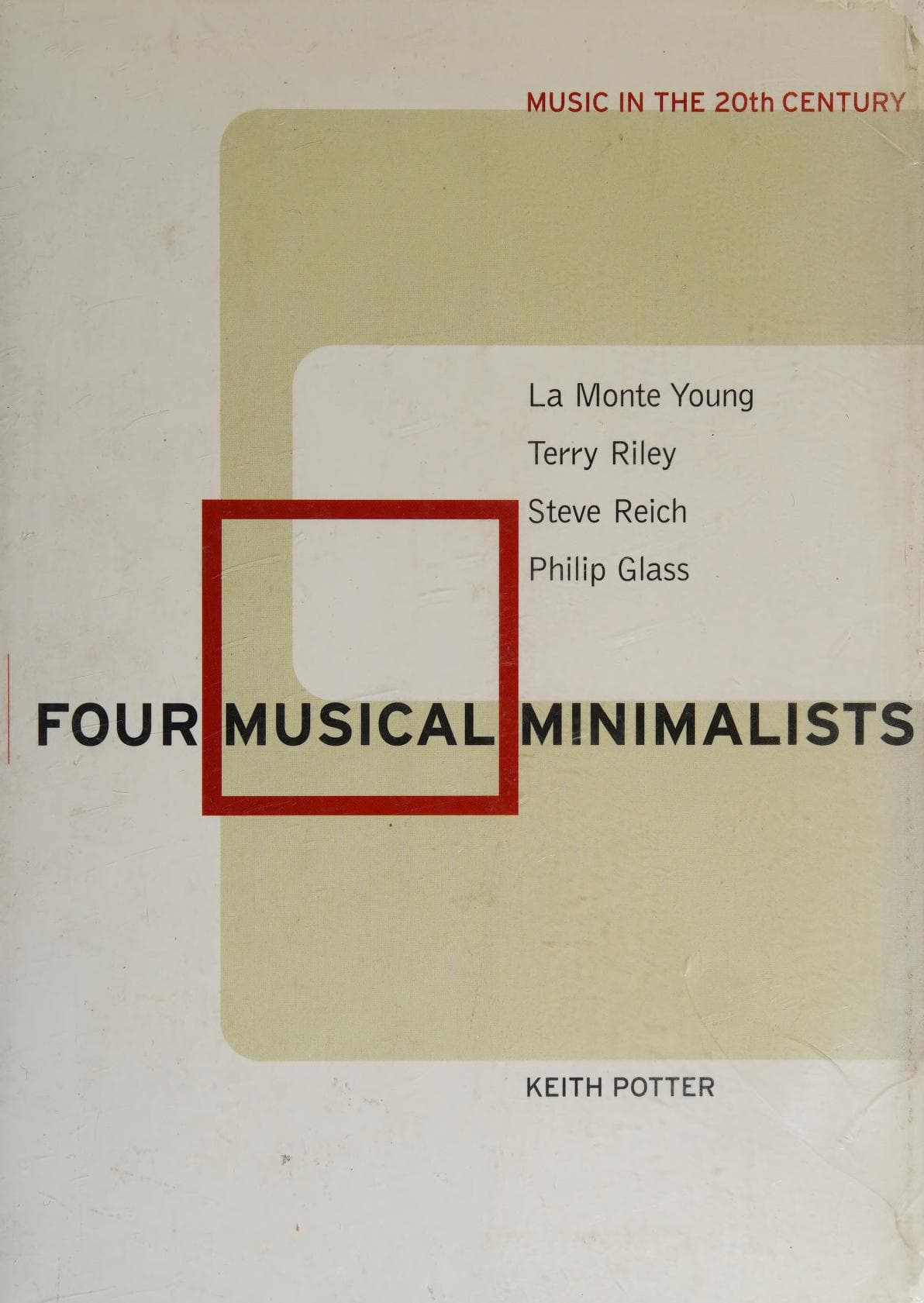
Four Musical Minimalists: La Monte Young, Terry Riley, Steve Reich, Philip Glass is a 2000 book (Cambridge University Press) by the British musicologist Keith Potter, a detailed study of the early music of the four American minimalist composers.
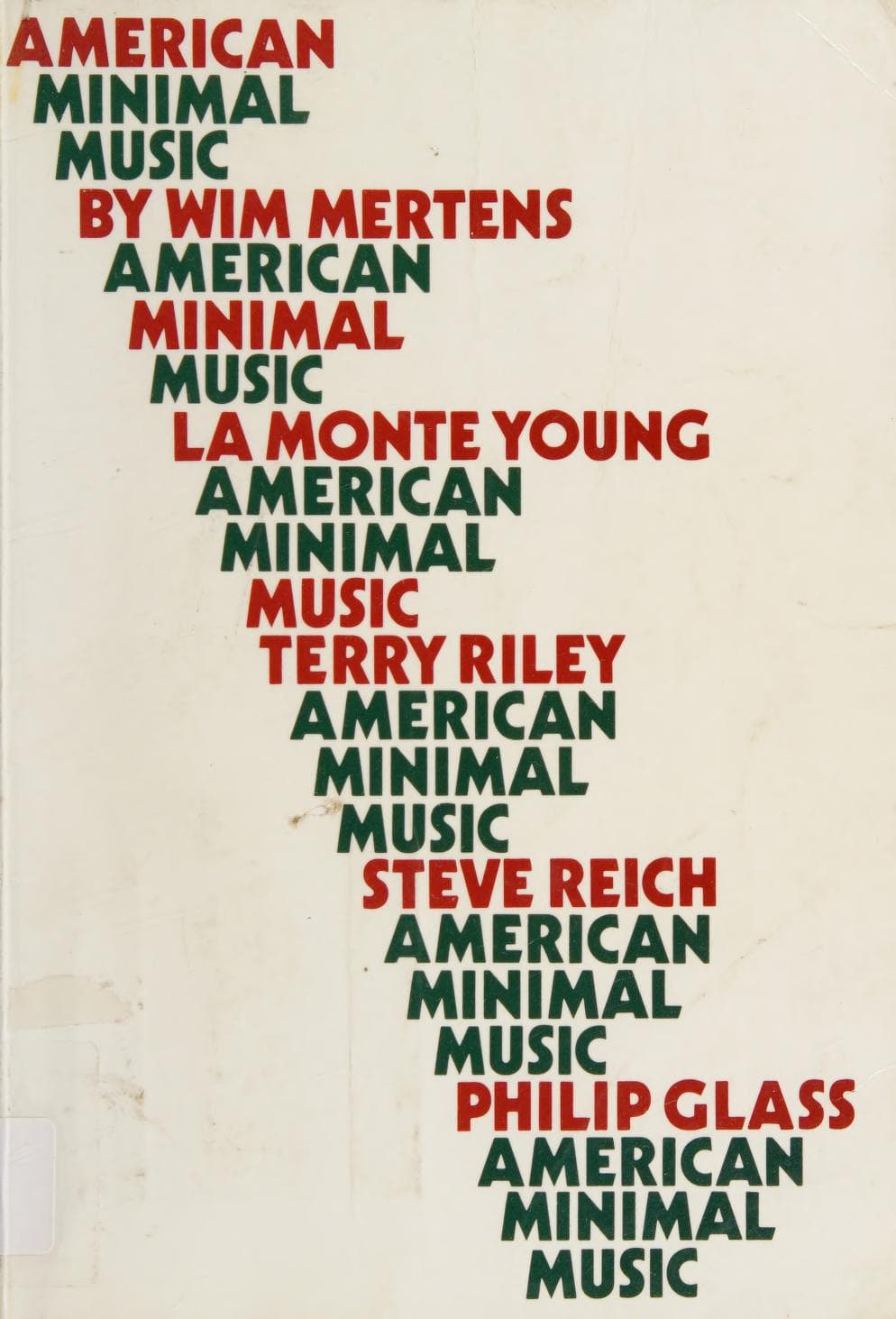
American Minimal Music is a 1983 book (Kahn & Averill) by the Belgian composer and musicologist Wim Mertens on La Monte Young, Terry Riley, Steve Reich and Philip Glass, with an ideological and historical background to minimal music.
Writings about Music is a 1974 collection of essays by the composer Steve Reich (Press of Nova Scotia College of Art and Design and New York University Press), including lists of his compositions and recordings.
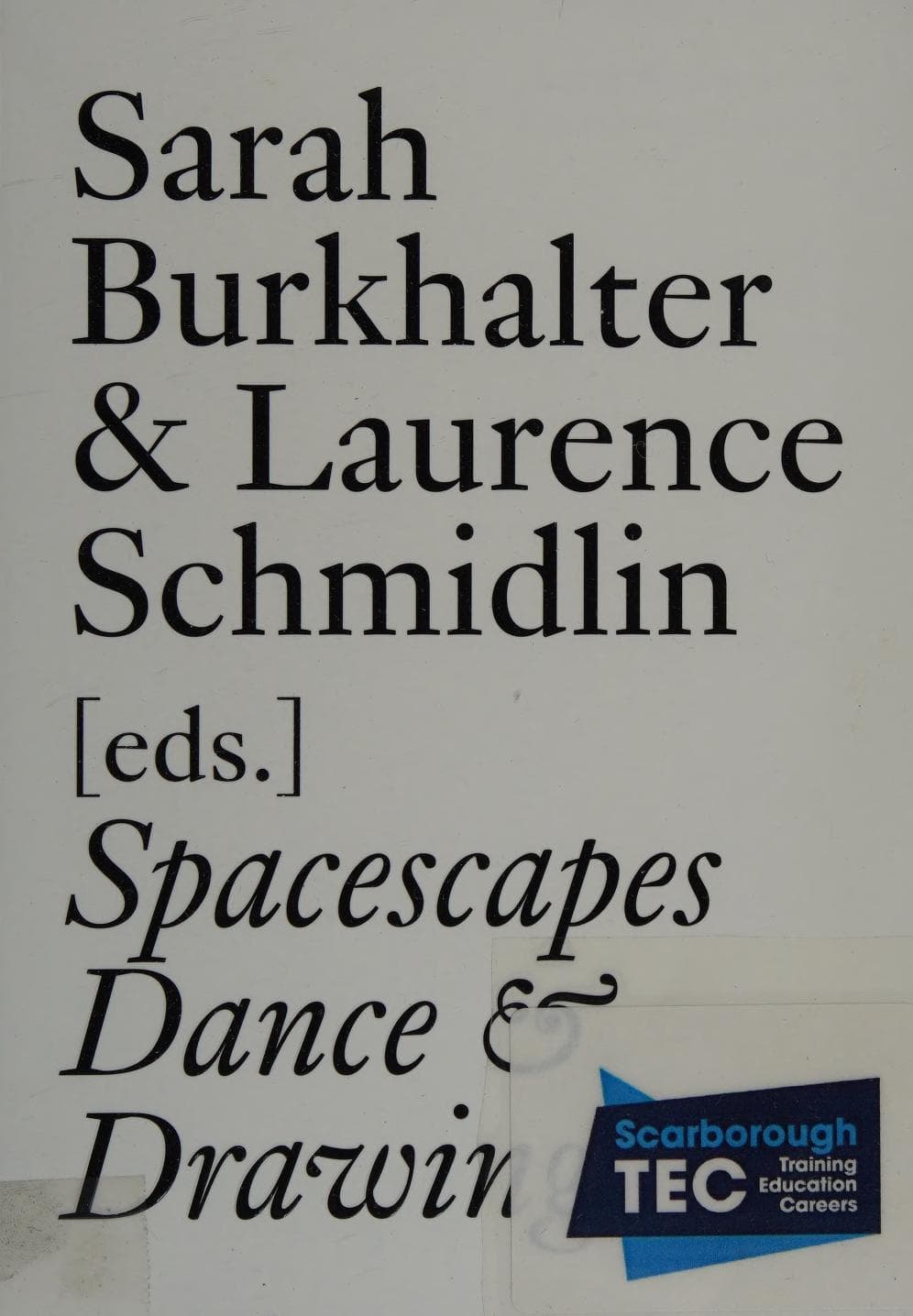
Spacescapes: Dance & Drawing since 1962 is a 2017 collection of essays and interviews edited by Sarah Burkhalter and Laurence Schmidlin (JRP|Ringier and Les presses du réel), examining how dance and drawing have met since the first Judson Dance Group performance in 1962, with chapters on Yvonne Rainer, Trisha Brown, Anna Halprin, Anne Teresa De Keersmaeker and William Forsythe.
Rain is a 2001 choreography by Anne Teresa De Keersmaeker set to Steve Reich's Music for 18 Musicians, shown here in a 2014 staging by the dancers of the Paris Opera Ballet at the Palais Garnier, with sets and lighting by Jan Versweyveld, costumes by Dries Van Noten and live music by Ictus and Synergy Vocals.
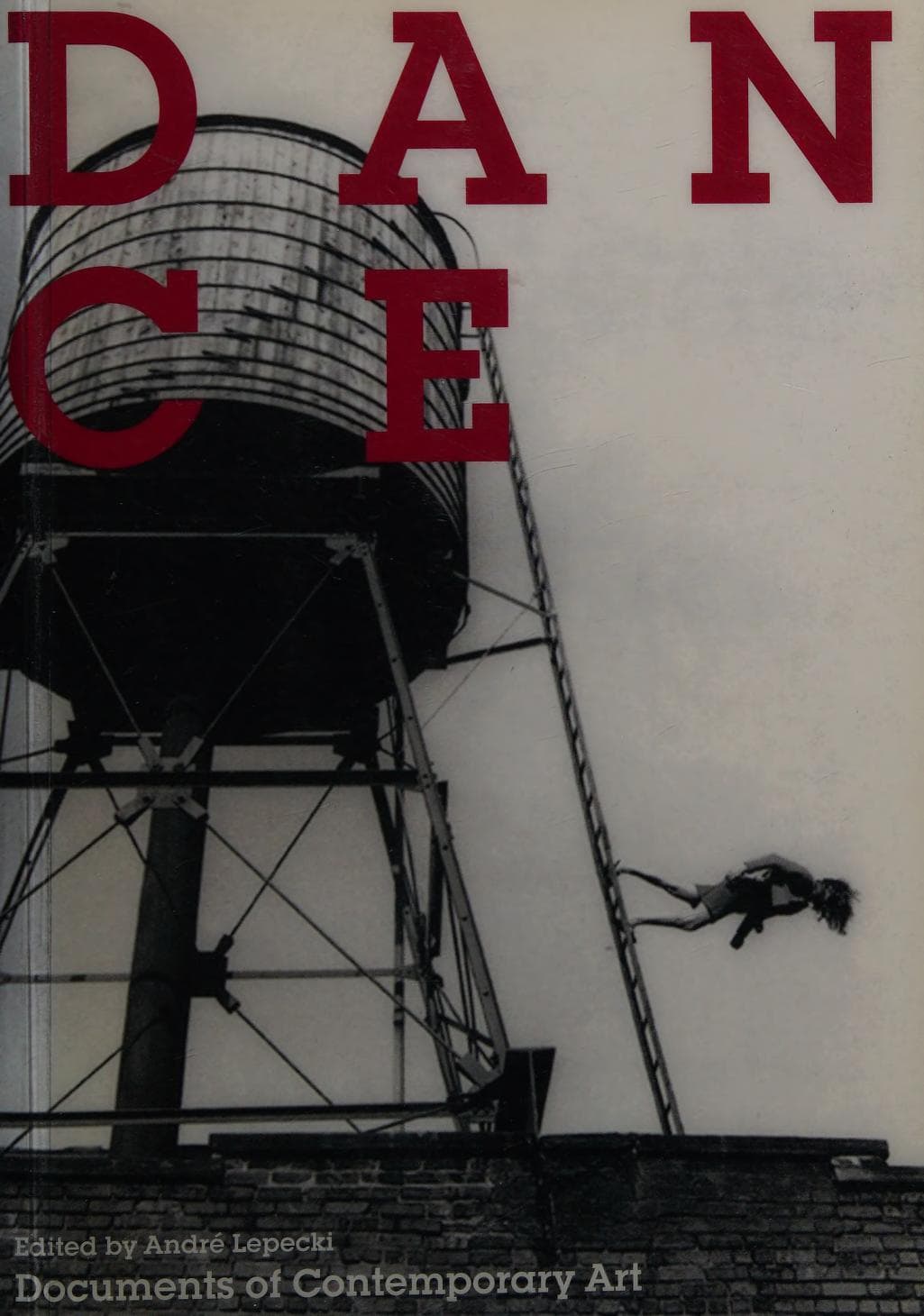
Dance is a 2012 anthology in the Documents of Contemporary Art series, edited by André Lepecki and published by Whitechapel Gallery and MIT Press, gathering writings by artists, choreographers and theorists on dance and choreography in contemporary art.
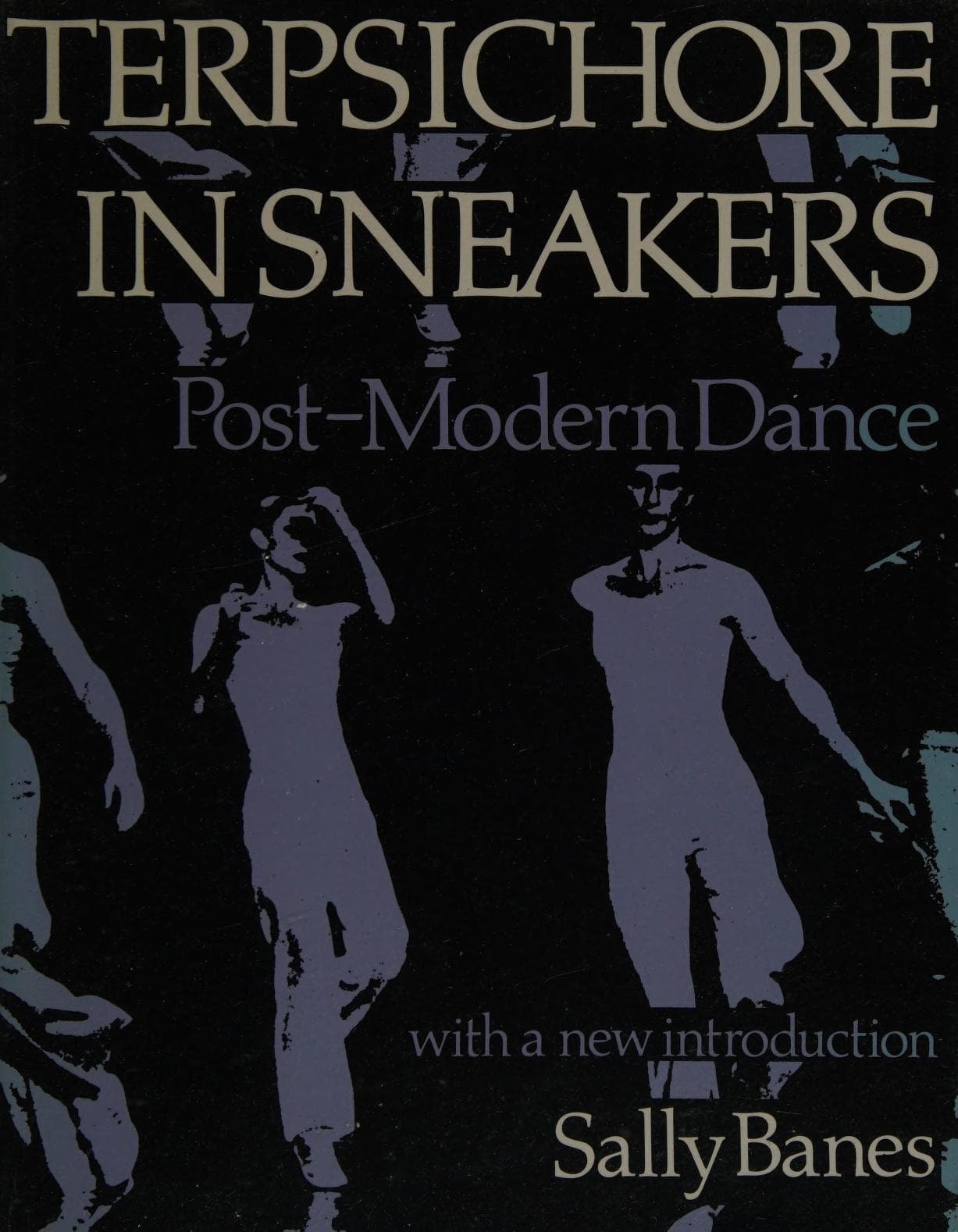
Terpsichore in Sneakers: Post-Modern Dance is a study by the American dance critic and historian Sally Banes, first published in 1980 and shown here in the 1987 Wesleyan University Press edition, on the choreographers of the 1960s and 70s who turned away from narrative and virtuosity towards ordinary movement, tasks and chance.
A conversation between the composer Philip Glass and the choreographer Lucinda Childs, moderated by Jock Reynolds, about their collaboration on Dance, the minimalist work commissioned in 1979 by the Brooklyn Academy of Music.
Einstein on the Beach is an opera by Robert Wilson and Philip Glass, first staged in 1976, with choreography by Lucinda Childs; this Internet Archive item collects a recording of the 2012 production together with interviews, documentaries and backstage material.

Rasa