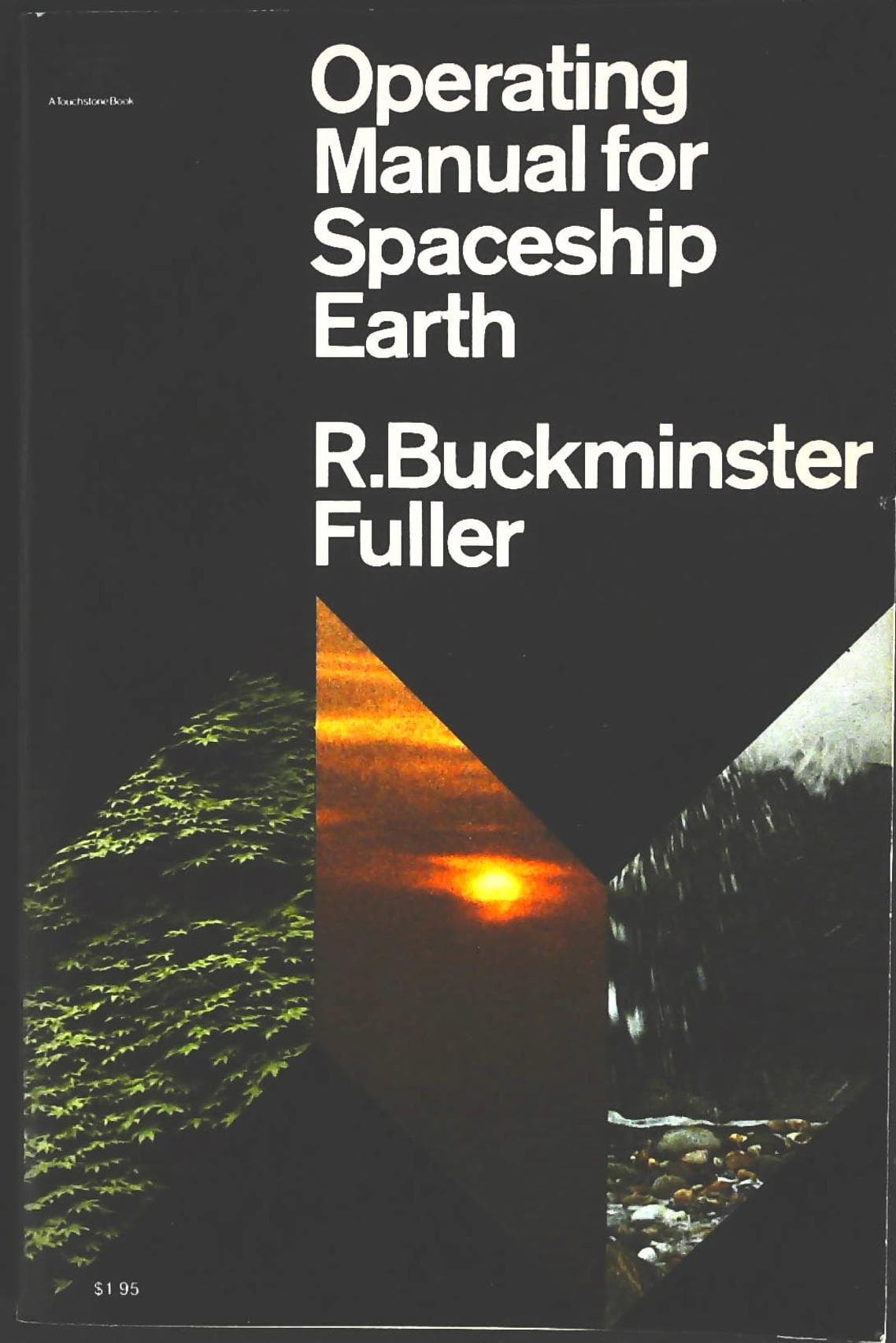
Operating Manual for Spaceship Earth is a 1969 book by the American architect, inventor and systems theorist Buckminster Fuller, which pictures the Earth as a spaceship with finite resources and no instruction manual, and argues for comprehensive, generalist thinking over specialisation in order to make the whole system work for all of humanity.
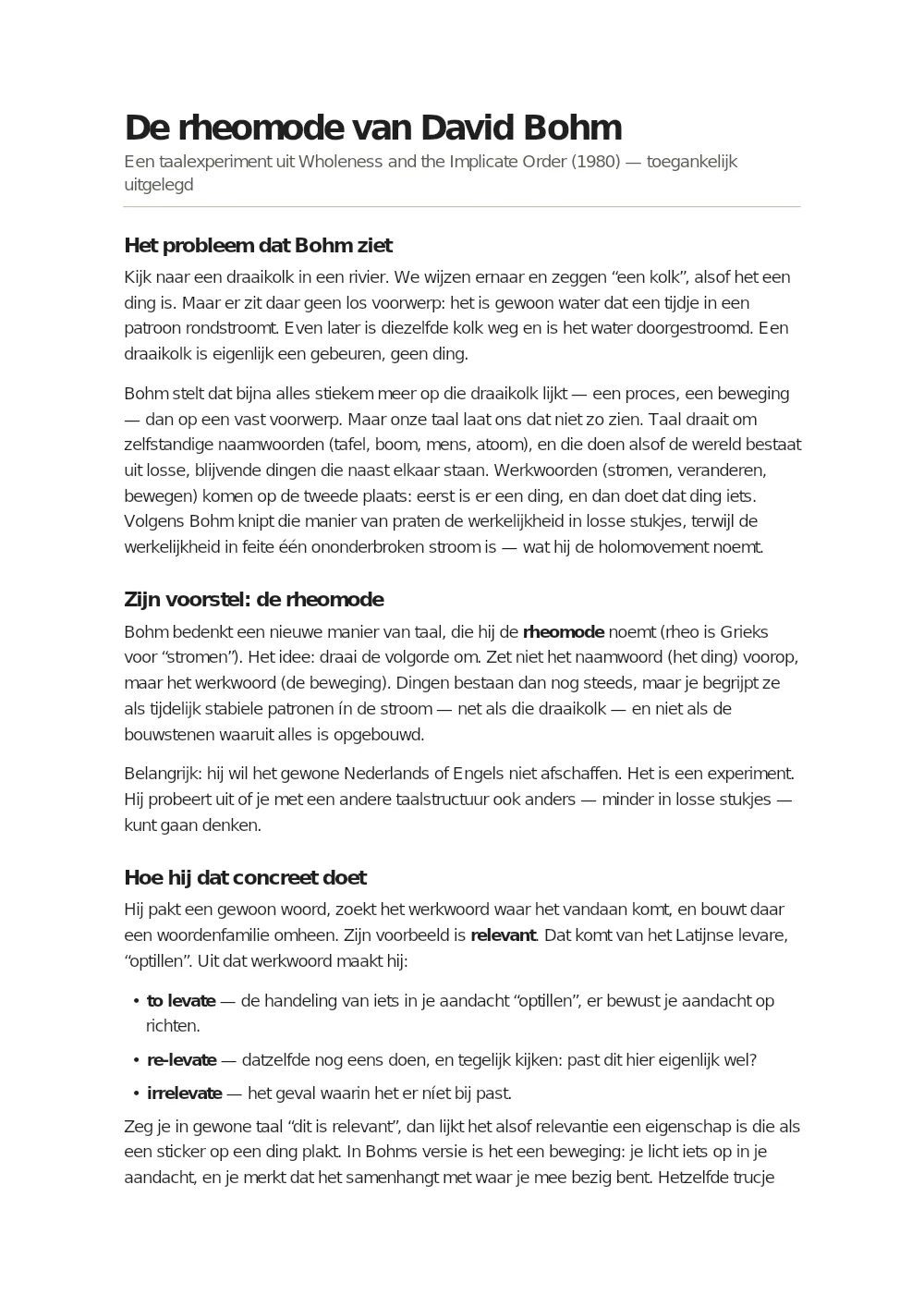
A two-part text work by Simon Keizer that applies David Bohm's rheomode to an everyday sentence: "I am happy" becomes "Happiness lifts into attention", turning a fixed state into a process, after Bohm's derivation of "relevant" from the Latin levare, to lift.
The Order of Time is a 2018 book by the Italian physicist Carlo Rovelli arguing that time as one ordered, universal flow does not exist at the fundamental level of physics and is largely a product of our perspective.
An audio recording of Meeting the Universe Halfway: Quantum Physics and the Entanglement of Matter and Meaning, the 2007 book by the physicist and philosopher Karen Barad, shared on the Internet Archive.
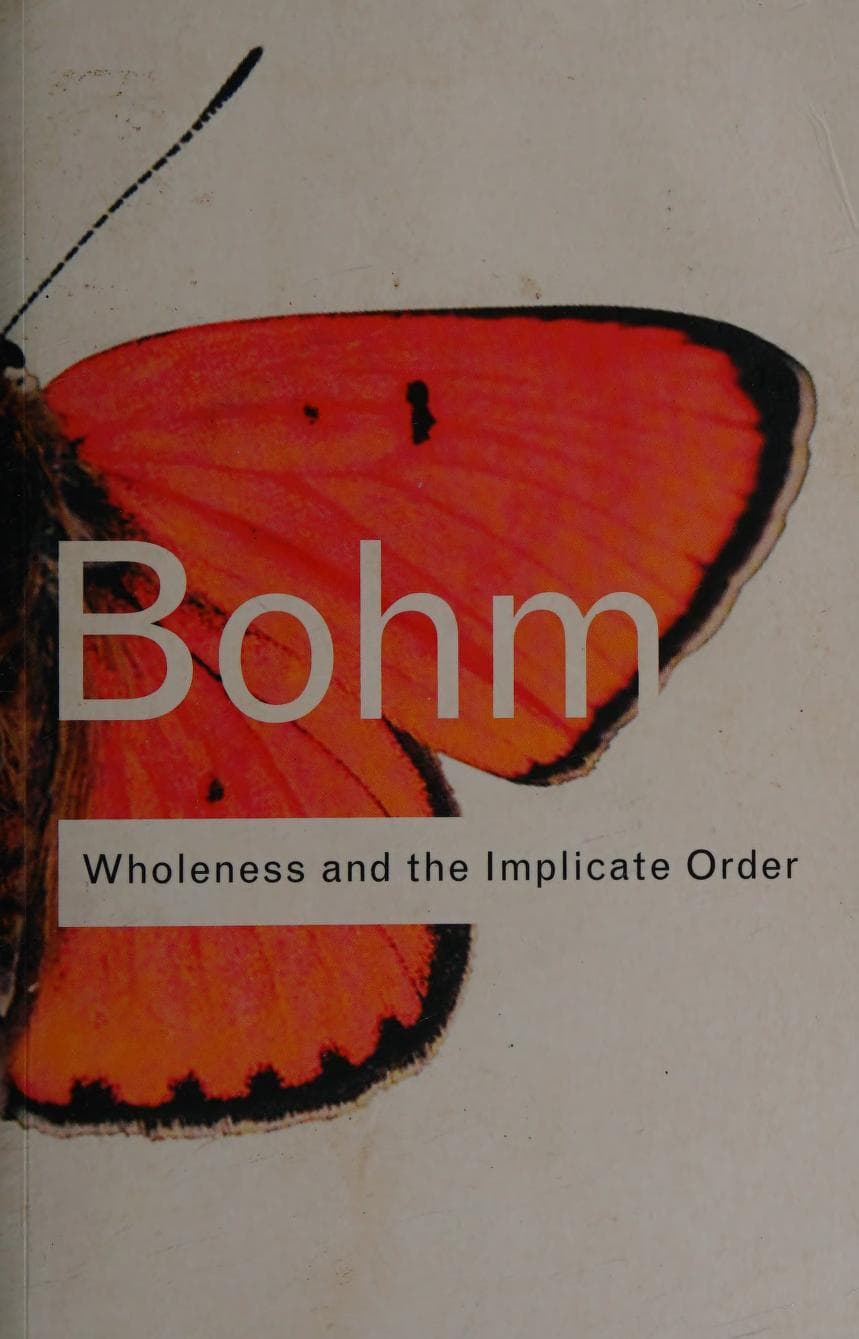
Wholeness and the Implicate Order is a book by the physicist David Bohm, first published in 1980, in which he proposes that the universe is an unbroken whole and that separate things unfold from a deeper, enfolded order; this is the 2002 Routledge edition.
Everything I Know, Part 1 is a recording from the series of lectures Buckminster Fuller gave in the last two weeks of January 1975 — some 42 hours of thinking out loud about his life's work, from the Dymaxion house and car through geodesic domes and tensegrity structures to the geometry of Synergetics.
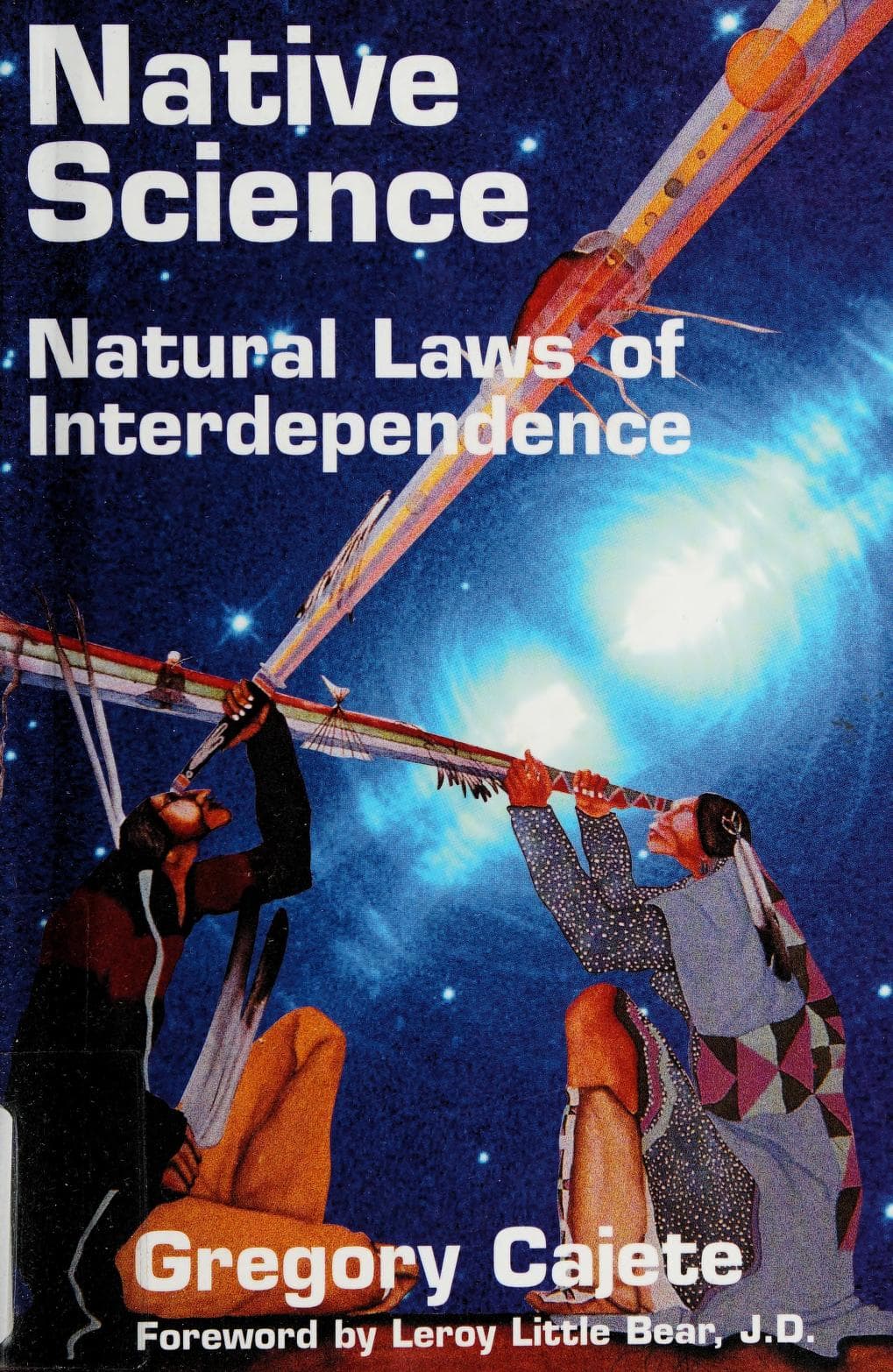
Native Science: Natural Laws of Interdependence is a 2000 book by the Tewa scholar Gregory Cajete, published by Clear Light Publishers, that describes Indigenous ways of knowing as a science of relationship, in which the knower is part of the natural world being studied.
Everything I Know, Part 2 is a recording from the series of lectures Buckminster Fuller gave in the last two weeks of January 1975 — some 42 hours of thinking out loud about his life's work, from the Dymaxion house and car through geodesic domes and tensegrity structures to the geometry of Synergetics.
Everything I Know, Part 3 is a recording from the series of lectures Buckminster Fuller gave in the last two weeks of January 1975 — some 42 hours of thinking out loud about his life's work, from the Dymaxion house and car through geodesic domes and tensegrity structures to the geometry of Synergetics.
Everything I Know, Part 4 is a recording from the series of lectures Buckminster Fuller gave in the last two weeks of January 1975 — some 42 hours of thinking out loud about his life's work, from the Dymaxion house and car through geodesic domes and tensegrity structures to the geometry of Synergetics.
Everything I Know, Part 5 is a recording from the series of lectures Buckminster Fuller gave in the last two weeks of January 1975 — some 42 hours of thinking out loud about his life's work, from the Dymaxion house and car through geodesic domes and tensegrity structures to the geometry of Synergetics.
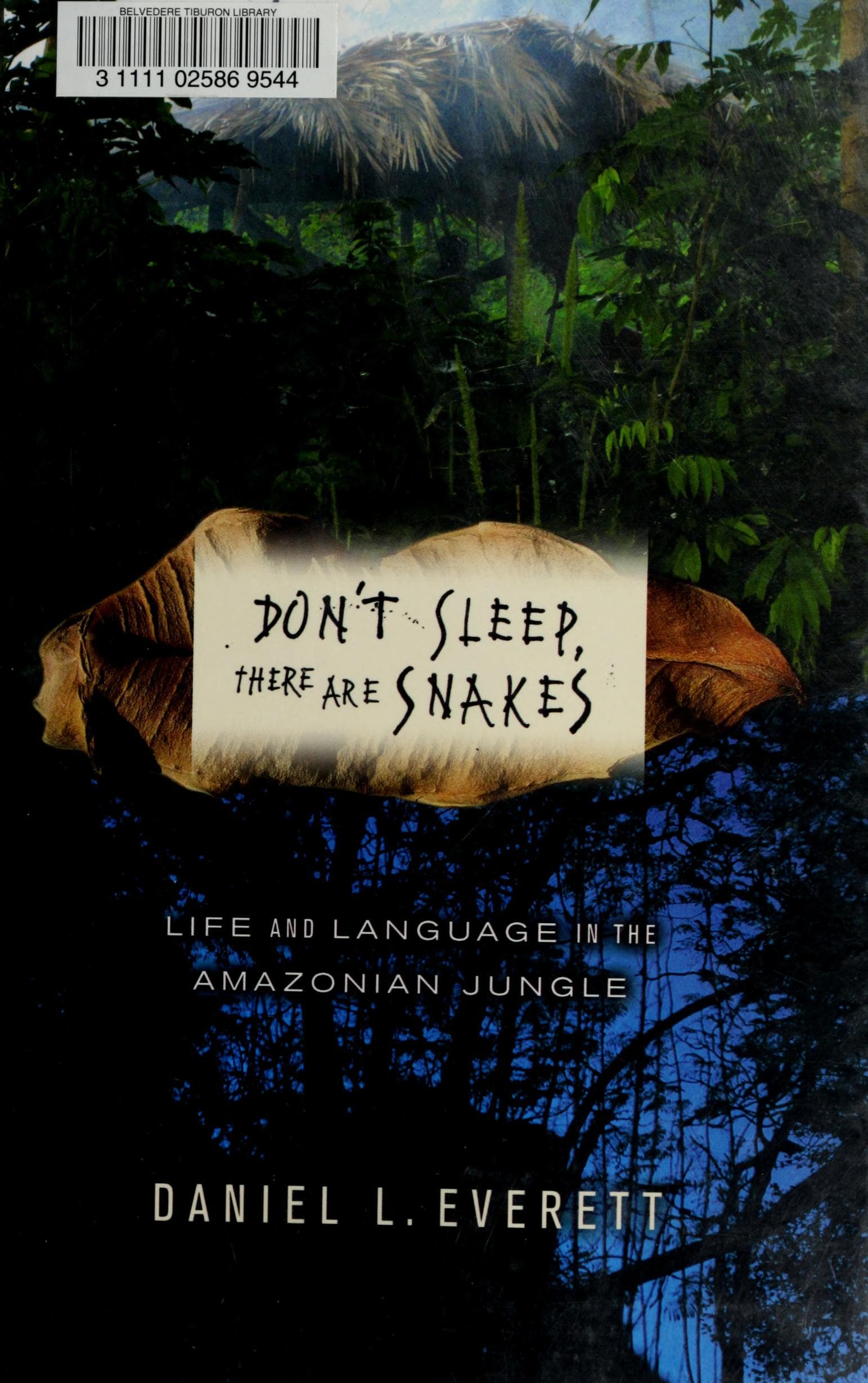
Don't Sleep, There Are Snakes is a 2008 book by the linguist Daniel L. Everett, published by Pantheon Books, about the years he spent with the Pirahã people of the Amazon and how their language, which he describes as bound to immediate experience, overturned his assumptions about language and belief.
Everything I Know, Part 6 is a recording from the series of lectures Buckminster Fuller gave in the last two weeks of January 1975 — some 42 hours of thinking out loud about his life's work, from the Dymaxion house and car through geodesic domes and tensegrity structures to the geometry of Synergetics.
Everything I Know, Part 7 is a recording from the series of lectures Buckminster Fuller gave in the last two weeks of January 1975 — some 42 hours of thinking out loud about his life's work, from the Dymaxion house and car through geodesic domes and tensegrity structures to the geometry of Synergetics.
Everything I Know, Part 8 is a recording from the series of lectures Buckminster Fuller gave in the last two weeks of January 1975 — some 42 hours of thinking out loud about his life's work, from the Dymaxion house and car through geodesic domes and tensegrity structures to the geometry of Synergetics.
Everything I Know, Part 10 is a recording from the series of lectures Buckminster Fuller gave in the last two weeks of January 1975 — some 42 hours of thinking out loud about his life's work, from the Dymaxion house and car through geodesic domes and tensegrity structures to the geometry of Synergetics.
Everything I Know, Part 11 is a recording from the series of lectures Buckminster Fuller gave in the last two weeks of January 1975 — some 42 hours of thinking out loud about his life's work, from the Dymaxion house and car through geodesic domes and tensegrity structures to the geometry of Synergetics.
Everything I Know, Part 12 is a recording from the series of lectures Buckminster Fuller gave in the last two weeks of January 1975 — some 42 hours of thinking out loud about his life's work, from the Dymaxion house and car through geodesic domes and tensegrity structures to the geometry of Synergetics.
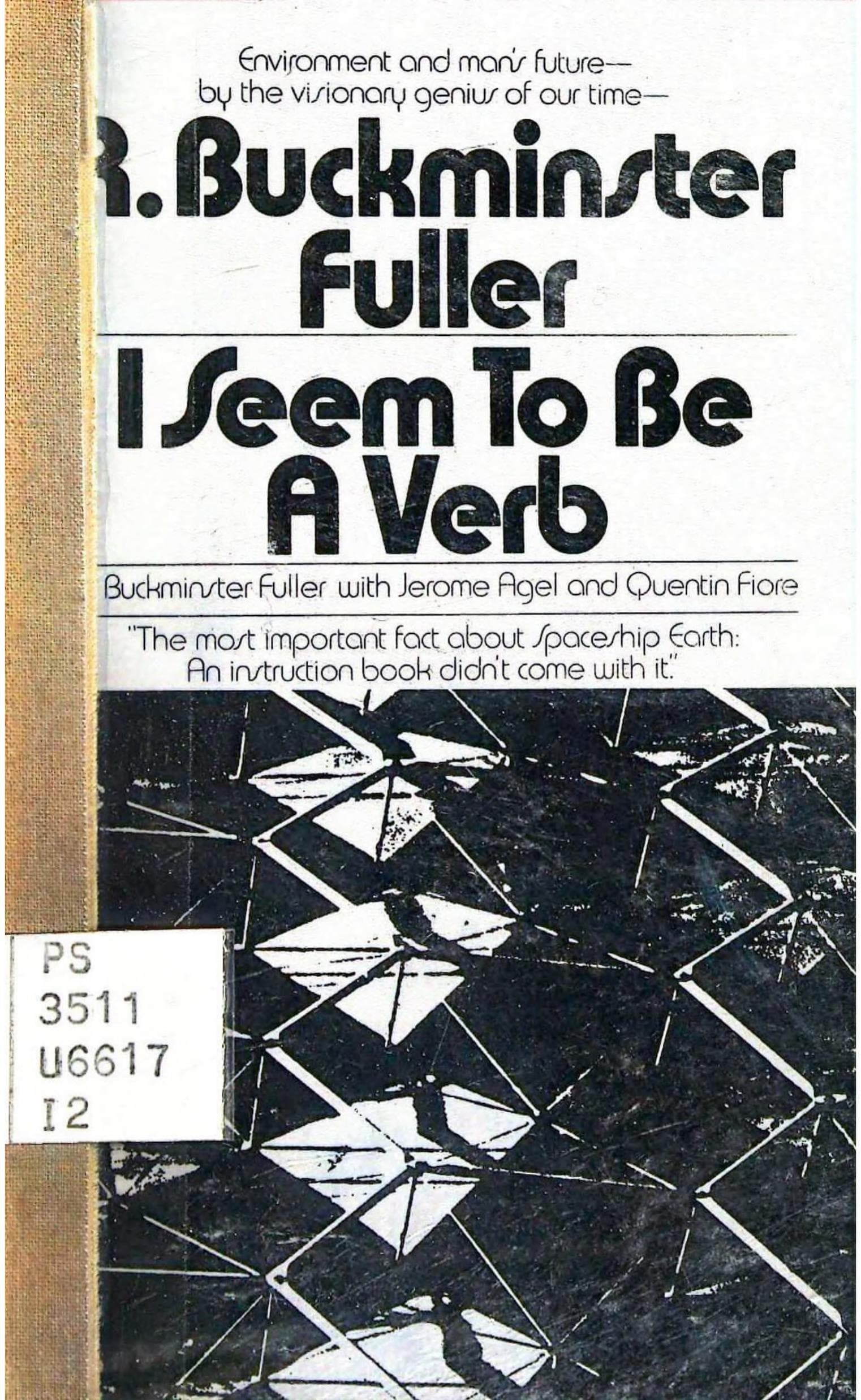
I Seem to Be a Verb is a 1970 book by Buckminster Fuller with Jerome Agel and Quentin Fiore, published by Bantam Books, that sets Fuller's statements against images and experimental typography; it opens with his words that he is not a thing or a noun but a verb, an evolutionary process.
Language, Thought, and Reality is a 1956 collection of writings by the American linguist Benjamin Lee Whorf, published after his death, in which he argues that the grammar of a language shapes how its speakers divide up time, matter and events; his best-known example is his reading of the Hopi language.
Through the Language Glass is a 2010 book by the linguist Guy Deutscher, published by Metropolitan Books, that revisits the question of whether the language we speak changes how we perceive the world, through cases such as colour terms and words for direction.
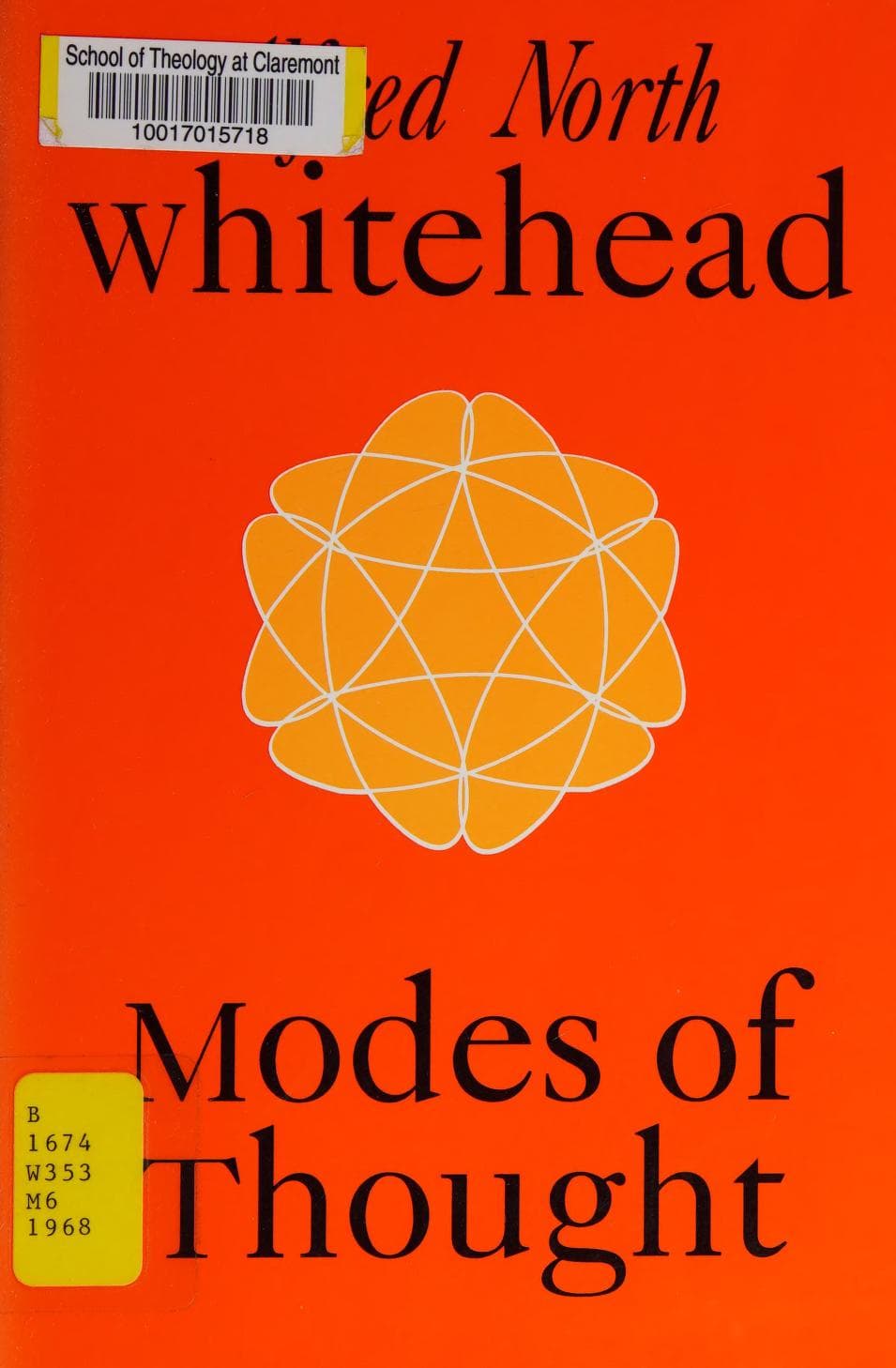
Modes of Thought is a book by the philosopher Alfred North Whitehead, based on lectures given at Wellesley College and the University of Chicago and first published in 1938; this is the 1968 Free Press edition.
Mind and Nature: A Necessary Unity is a book by the anthropologist and systems thinker Gregory Bateson, first published in 1979; this is the 1982 Bantam paperback. It argues that mind and living nature share one pattern of relations.
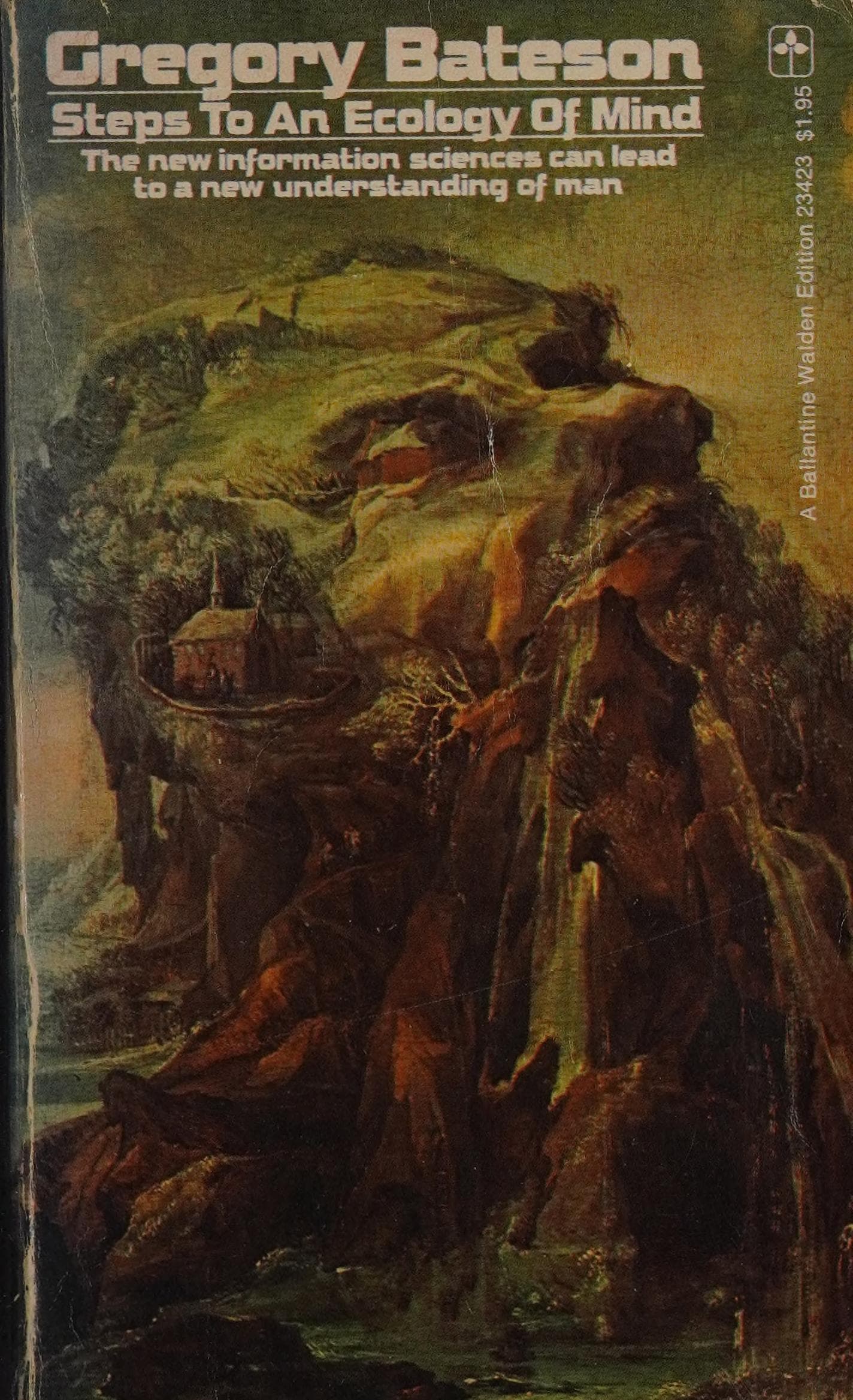
Steps to an Ecology of Mind is a 1972 collection of essays by the British anthropologist and systems thinker Gregory Bateson, spanning anthropology, psychiatry, communication, biology and epistemology, and developing the idea that mind is immanent in the larger system of relations between an organism and its environment.
The Cybernetic Brain: Sketches of Another Future is a 2010 book (University of Chicago Press) by the sociologist of science Andrew Pickering on British cybernetics — Grey Walter, Ross Ashby, Stafford Beer, Gordon Pask — and its links to art, psychiatry, Eastern spirituality and the 1960s counterculture.
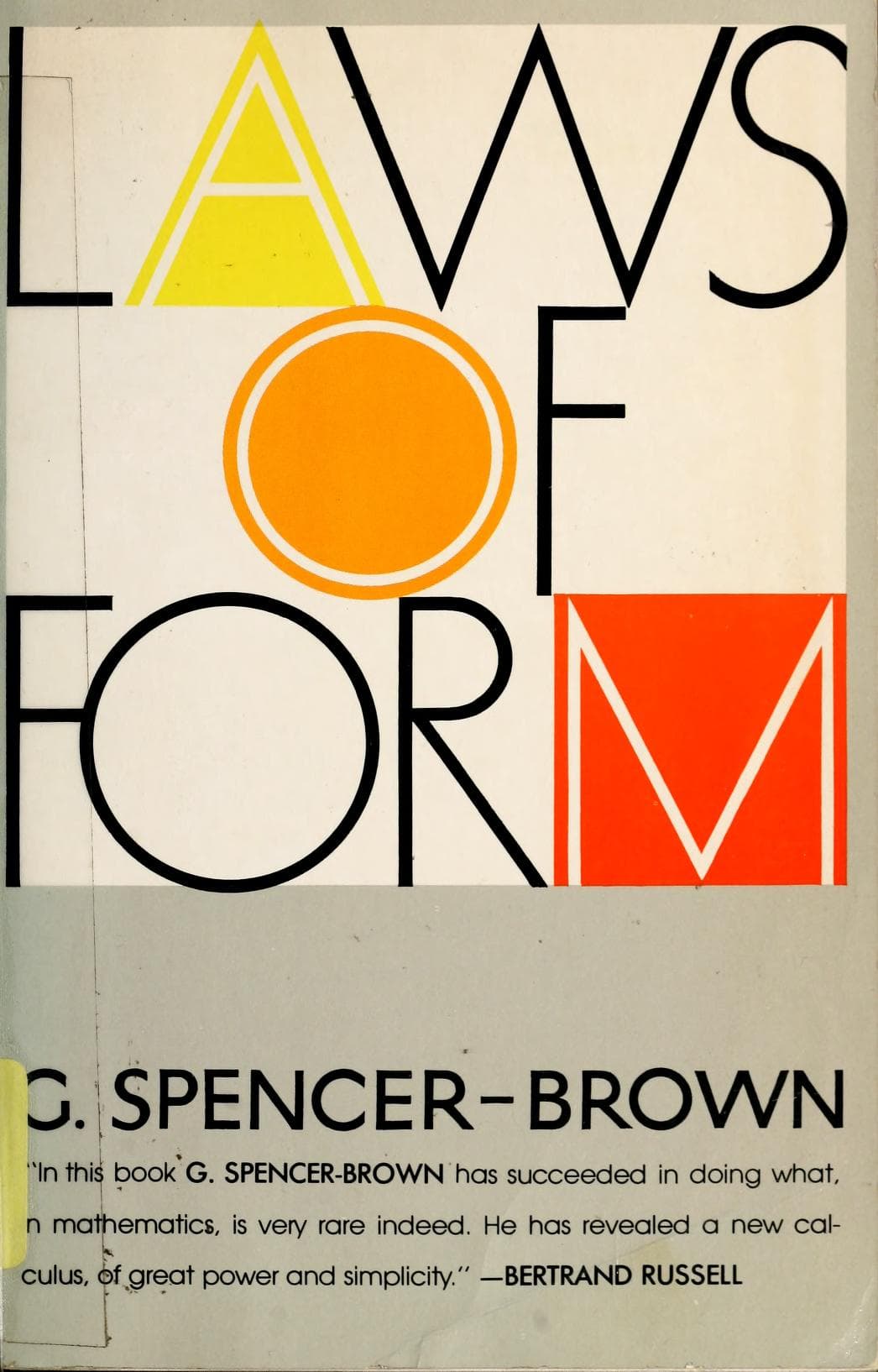
Laws of Form is a book by the British mathematician G. Spencer-Brown, first published in 1969, that builds a calculus from the single act of drawing a distinction; this is the 1979 Dutton paperback.
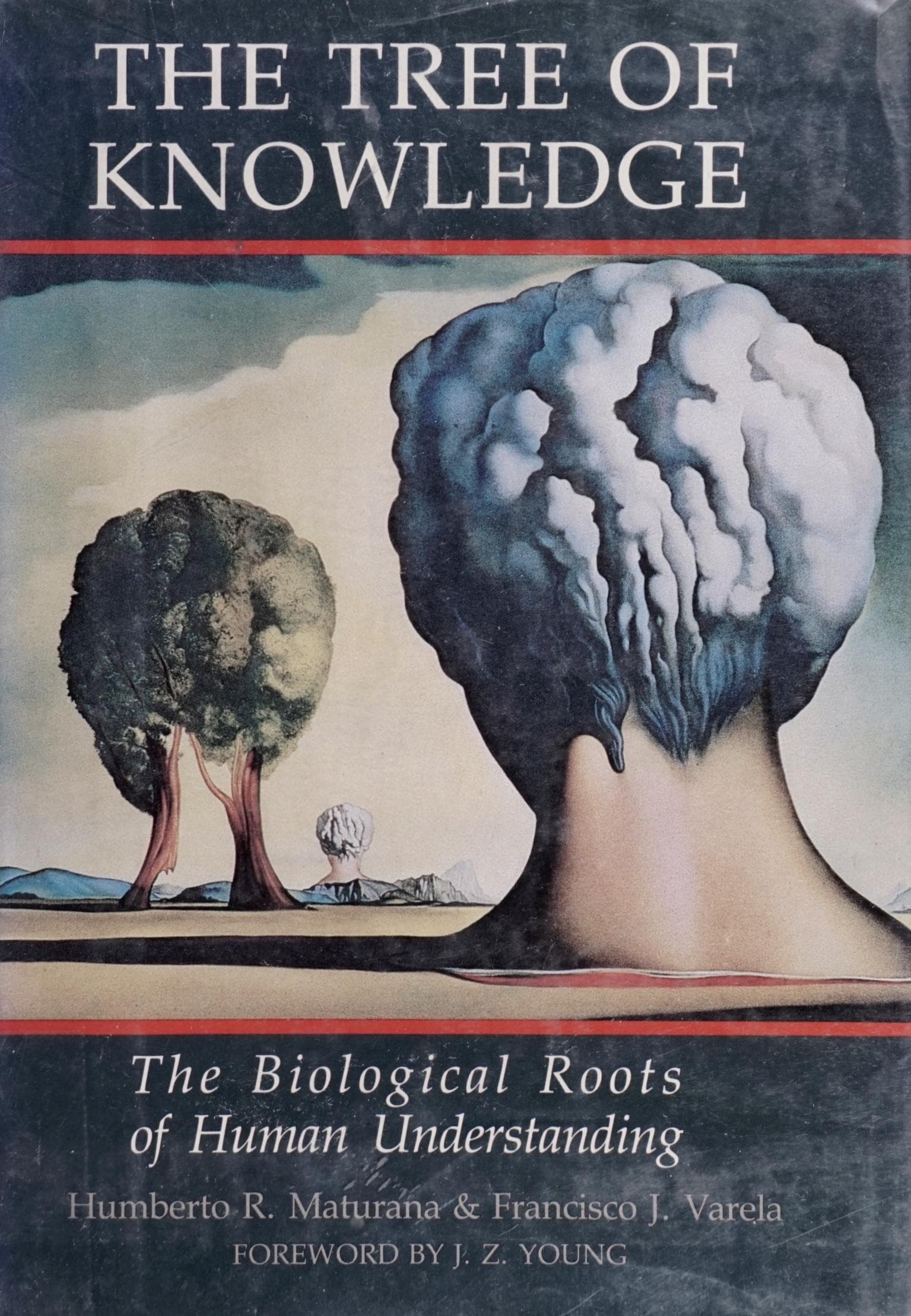
The Tree of Knowledge: The Biological Roots of Human Understanding is a book by the Chilean biologists Humberto Maturana and Francisco Varela, published in English in 1987 by New Science Library, that explains cognition as a process rooted in the self-producing organisation of living beings.
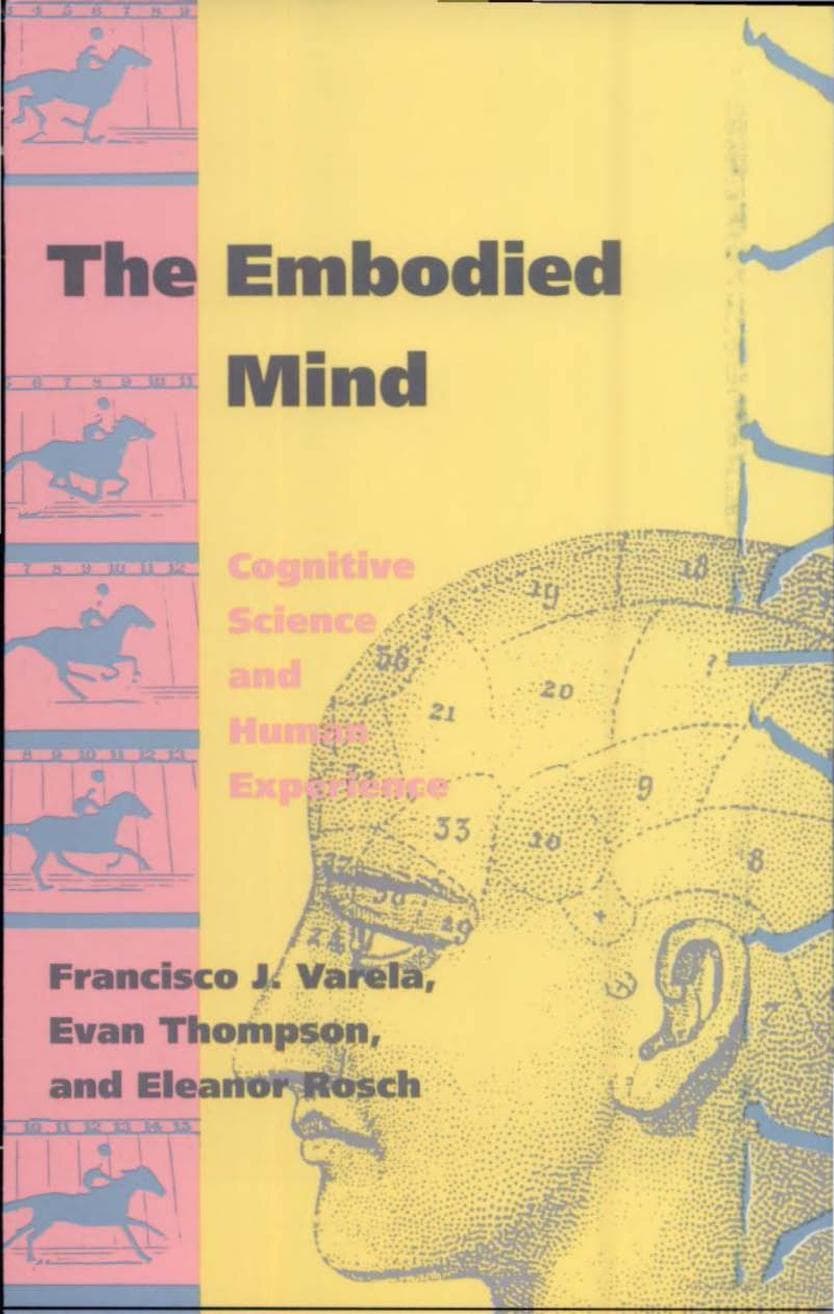
The Embodied Mind: Cognitive Science and Human Experience is a book by Francisco Varela, Evan Thompson and Eleanor Rosch, first published by MIT Press in 1991, that brings cognitive science into conversation with Buddhist mindfulness practice and argues that mind is enacted through the body.
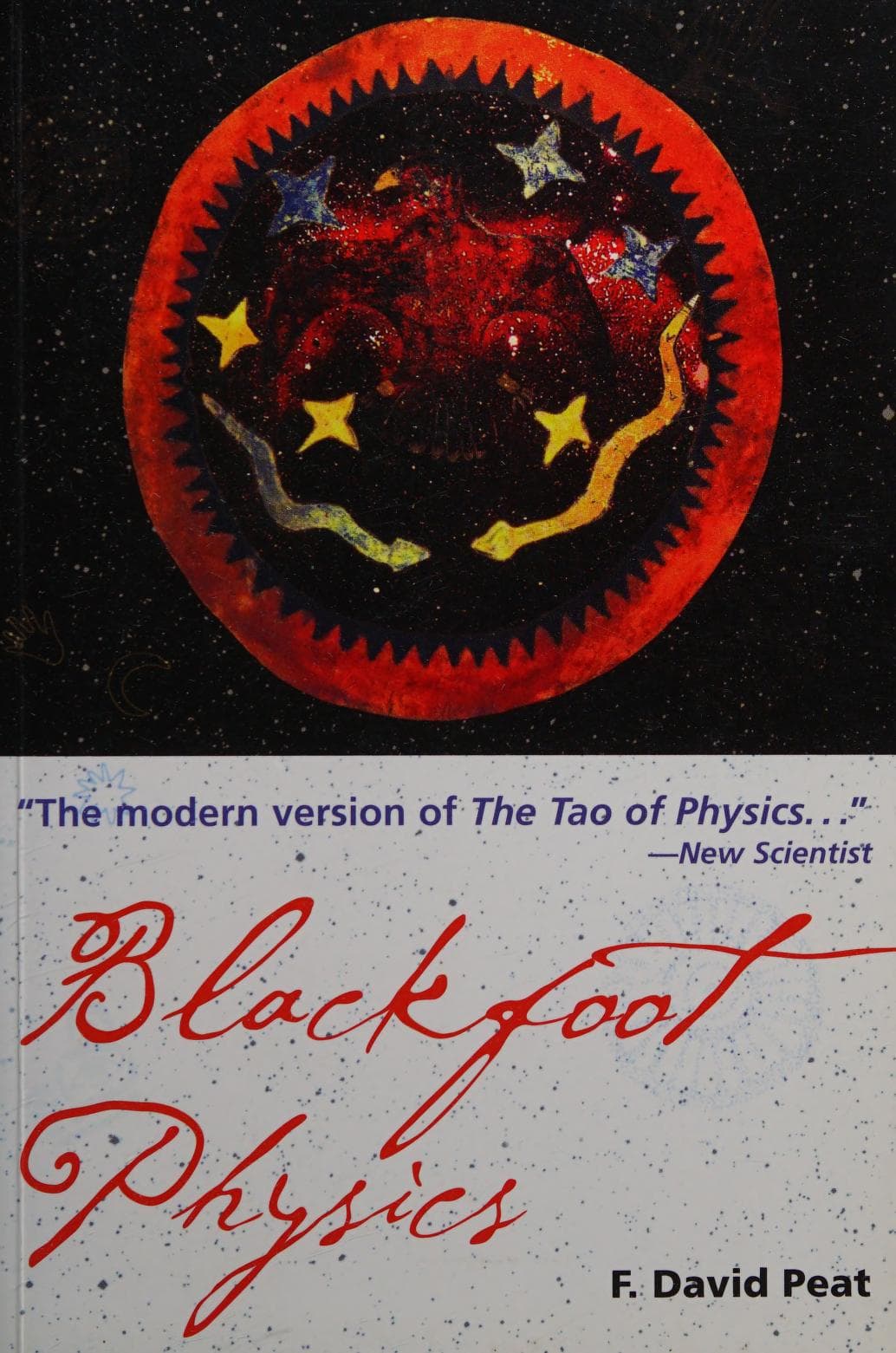
Blackfoot Physics: A Journey into the Native American Universe is a book by the physicist F. David Peat, a collaborator of David Bohm, that compares Native American knowledge of the world with ideas from modern physics; this is the 2005 Weiser Books edition.
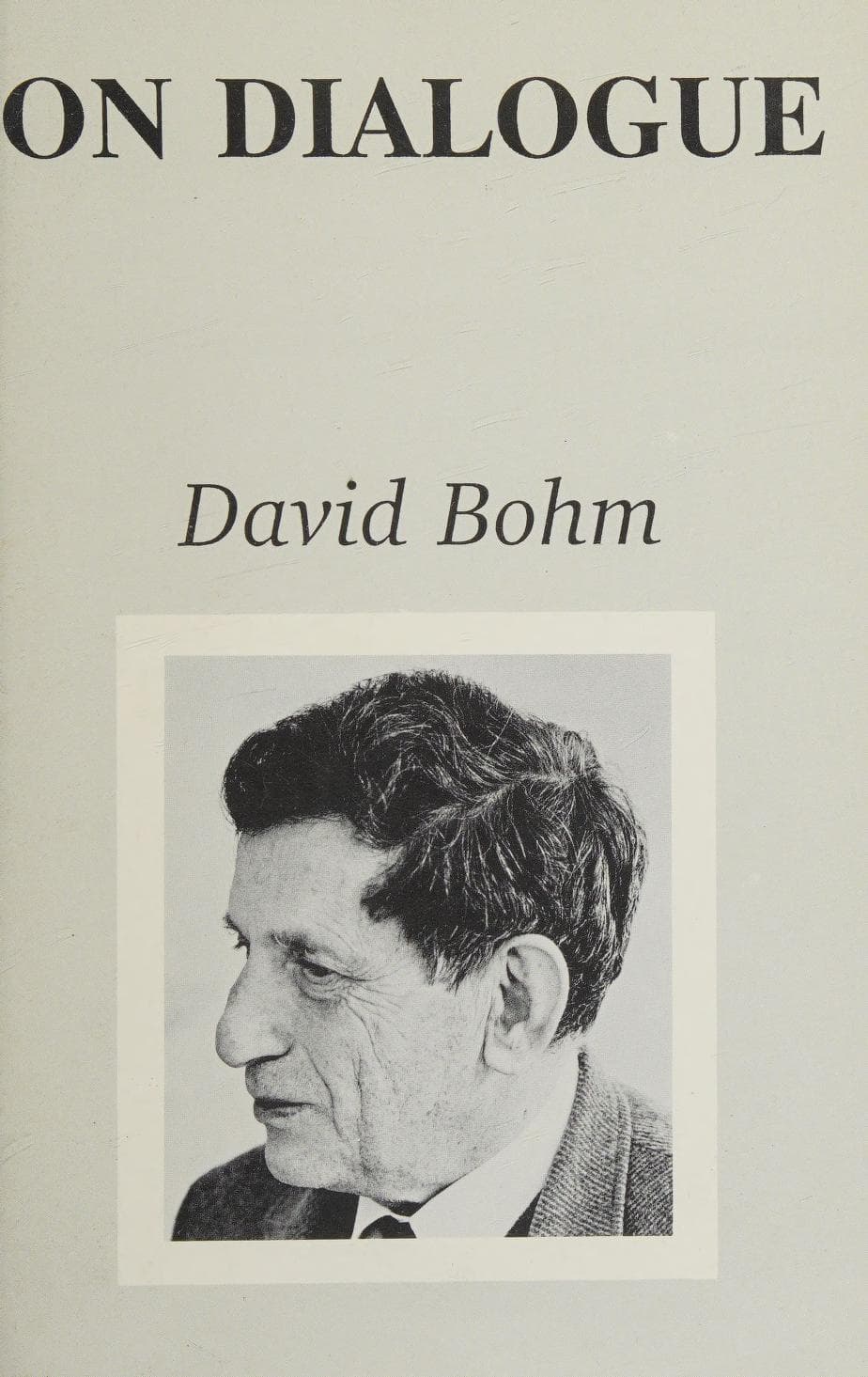
On Dialogue is a 1990 booklet by the physicist David Bohm, published by David Bohm Seminars, in which he describes dialogue as a group practice of suspending assumptions so that shared meaning can flow between participants.
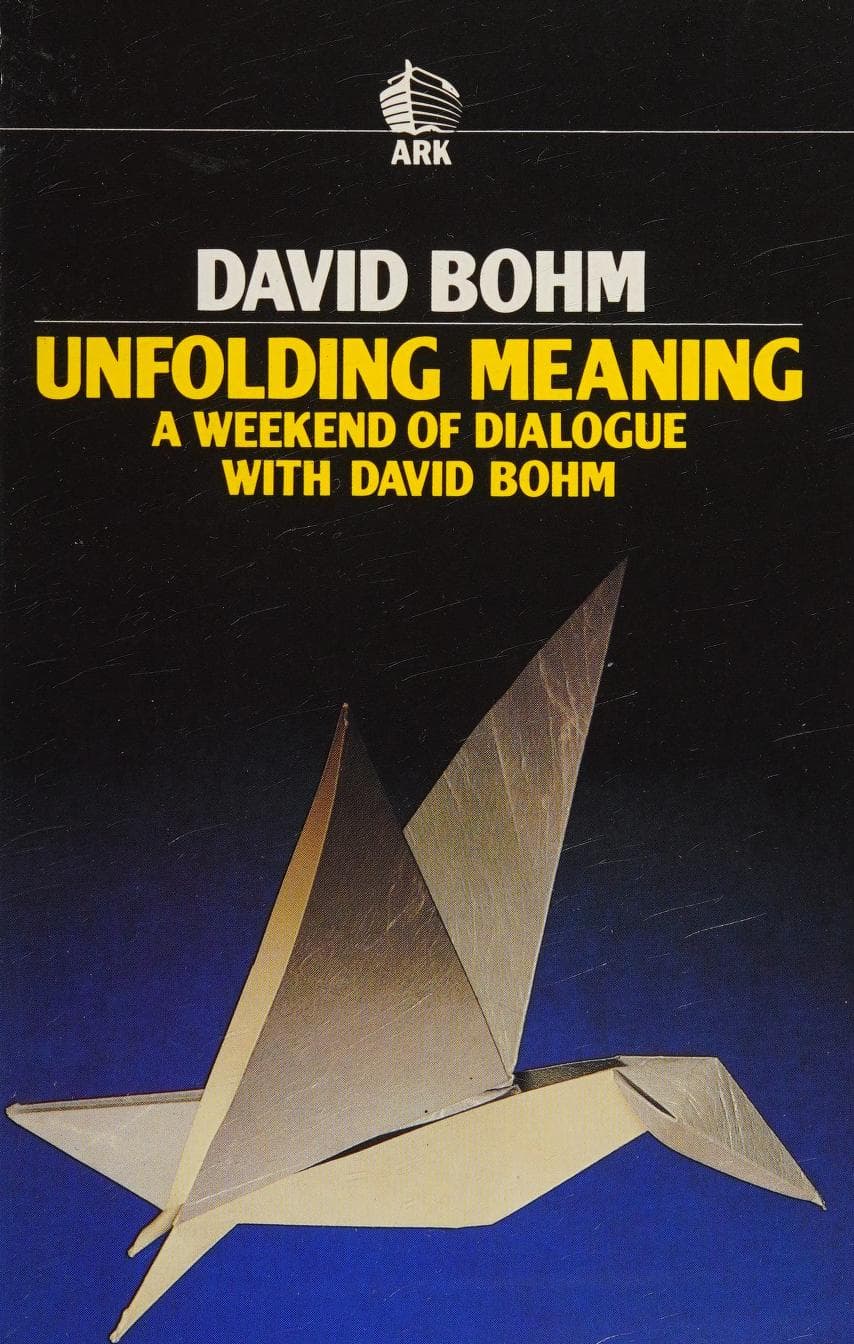
Unfolding Meaning: A Weekend of Dialogue with David Bohm is a 1987 book (Ark, London), edited by Donald Factor, based on a weekend of talks and dialogue in which the physicist David Bohm discusses the implicate order, thought and dialogue with a group of participants.
The Languages of Native North America is a survey by the linguist Marianne Mithun of the Indigenous languages of North America, first published by Cambridge University Press in 1999; this is the 2001 printing.
Alan Watts – In the Academy is a 2017 collection of essays and lectures by Alan Watts, edited by Peter J. Columbus and Donadrian L. Rice and published by SUNY Press, gathering his academic writing on Zen, Taoism, psychology and religion.
Braiding Sweetgrass: Indigenous Wisdom, Scientific Knowledge and the Teachings of Plants is a 2013 book by the botanist and Potawatomi writer Robin Wall Kimmerer, published by Milkweed Editions, that weaves plant science, Indigenous knowledge and personal narrative into an account of reciprocity between people and the living world.
Everything I Know, Part 9 is a recording from the series of lectures Buckminster Fuller gave in the last two weeks of January 1975 — some 42 hours of thinking out loud about his life's work, from the Dymaxion house and car through geodesic domes and tensegrity structures to the geometry of Synergetics.
I and Thou is the philosophical work by Martin Buber, first published in German in 1923 as Ich und Du, here in the 1937 English translation by Ronald Gregor Smith (T. & T. Clark, Edinburgh). It contrasts two attitudes, I–It and I–Thou, the experience of things and the encounter of a living relation.
Robert Smithson: Spiral Jetty – True Fictions, False Realities is a 2005 book published by the University of California Press with Dia Art Foundation, about Smithson's 1970 earthwork Spiral Jetty in the Great Salt Lake, gathering his own writings on the work with essays and documentation.
The Wholeness of Nature: Goethe's Way of Science is a 1996 book by the physicist and philosopher Henri Bortoft, published by Floris Books, about Goethe's way of studying nature through sustained, participatory seeing, in which the whole is encountered in its parts rather than assembled from them.

Implicate order